

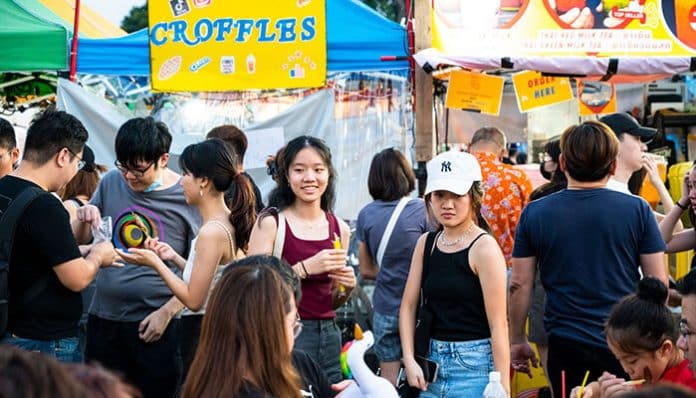

Local communities now heavily rely on outdoor food events. While some are centred around street food, others bring together local farms, regional cuisine, and traditional and custom drinks; the concept is typically the same. Delicious cuisine, a relaxed and casual vibe, and an excuse to spend the day outside. The majority of tourists don’t give any thought to what goes on behind the scenes. If the queues move quickly, vendors stay stocked, the site stays clean, and everyone feels safe, that’s rarely luck. It’s usually the result of months of planning and a lot of small decisions that people never notice.
Planning Starts Much Earlier Than People Think
Finding a venue is only one piece of it. There are permits to deal with, health and safety requirements, insurance, supplier bookings, temporary power, water access, parking plans… the list keeps growing. Waiting until the last minute usually means paying more or settling for second-choice suppliers.
Every town has different rules too. That’s why checking local council requirements early saves a lot of stress later. The Food Standards Agency also has practical guidance for temporary food events, especially when multiple vendors are involved.
Picking the venue matters just as much. It needs enough room for people to walk comfortably, places to sit, easy access, and ideally good public transport nearby. A beautiful location isn’t much use if visitors spend half an hour trying to get in.
The Layout Can Make Or Break The Day
A lot of people assume success comes down to getting the best food vendors. Good food obviously matters. But even the best vendors struggle if people can’t reach them.
Long narrow walkways, confusing entrances, poor signage, or having every popular stall grouped together can create bottlenecks within minutes. Suddenly everyone is standing in one corner while the rest of the site feels empty.
Mixing different vendors across the venue usually works much better. A coffee stand next to desserts. Street food beside seating. Drinks spread around instead of all being in one place.
Simple things like that keep people moving naturally. And signs help more than people realise. Nobody enjoys wandering around looking for toilets or trying to figure out where first aid is.
Fancy Decorations Aren’t What People Remember
It’s easy to spend money on banners, lighting and decorations. Those things definitely help create a nice atmosphere. But visitors remember different things. Did they wait forty minutes for food? Was there somewhere to sit? Could they actually find a bin? Were the toilets clean? Did payment terminals keep working? Those practical details usually shape people’s opinion far more than expensive decorations.
Reliable generators, enough water stations, proper waste collection and clean facilities might not look exciting, but they make a huge difference over a full day.
Weather deserves attention too. A hot afternoon, unexpected rain, or strong winds can completely change how an event runs. Having backup plans before the forecast changes is always easier than trying to react halfway through the festival.
Good Communication Solves Problems Before They Become Bigger Ones
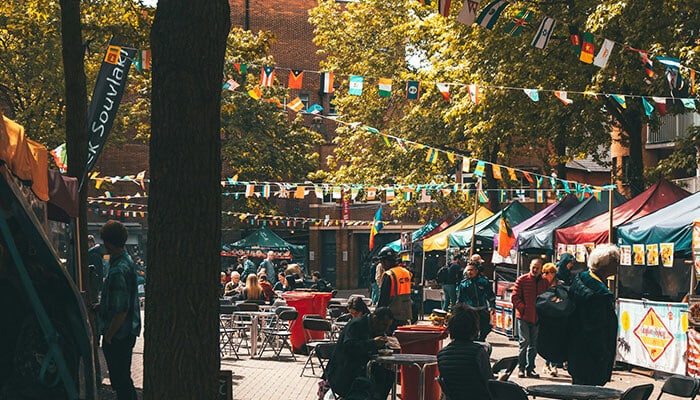
Food festivals have lots of moving parts. Security, parking staff, volunteers, organisers, maintenance teams, first aid, vendors… everyone is dealing with something different. The challenge is keeping all those people connected. Mobile networks often slow down once thousands of people arrive in one place. That’s why many organisers include event radio hire as part of their event planning. It gives different teams a reliable way to communicate when something changes, whether that’s a delivery arriving late, a queue building up, or a quick request from security. Visitors rarely notice any of that. And honestly, that’s the point. When communication works properly, small issues usually get sorted before anyone attending even knows they happened.
Vendors Need Support Too
People usually judge a festival by its food. But even experienced vendors can struggle if the event itself isn’t organised properly. Simple things make a big difference. Clear unloading times.Easy vehicle access before opening.Enough electricity. Somewhere nearby to dispose of rubbish. Someone available to answer questions quickly.
Sending detailed information before the event also helps everyone arrive prepared instead of trying to figure everything out on the morning of the festival. It saves time. It saves frustration. And it usually leads to happier vendors.
Safety Shouldn’t Feel Obvious
Most visitors don’t want to see barriers everywhere or feel like they’re walking into a heavily controlled environment. Good event safety isn’t about making security visible. It’s about making people feel comfortable without really thinking about it.
Professional security, trained first aid teams, sensible crowd management and clear emergency procedures all work together quietly in the background. Planning for bad weather, electrical problems, medical emergencies or overcrowding may never be needed. But having those plans ready matters.
The National Association of City Transportation Officials (NACTO) also offers useful guidance on designing safer temporary public spaces for larger events.
Success Isn’t Only About Attendance
It’s easy to celebrate visitor numbers. But full attendance doesn’t always mean the event went well. Looking at queue times, waste collection, visitor feedback, vendor experiences, and operational issues usually tells a much clearer story. Maybe one entrance caused delays. Maybe seating wasn’t enough. Maybe certain food vendors needed more space. Those small lessons often improve next year’s festival far more than simply attracting a bigger crowd.
Final Thoughts
A great outdoor food festival isn’t successful because everything goes perfectly. It’s successful because problems are expected, planned for, and dealt with before they affect visitors. People remember good food, great conversations, live music, and discovering something new. They rarely remember the logistics. And that’s probably the biggest compliment an organiser can get.