

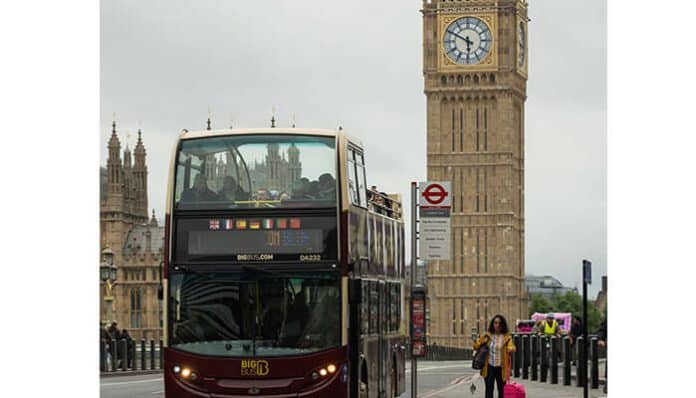

London has all the famous places everyone already knows. Big Ben. Buckingham Palace. Tower Bridge. They deserve the attention, no question. But after those, the city starts getting a lot more interesting. The parts that people usually remember the most aren’t always the ones on postcards. These are the small neighbourhoods, marketplaces, cafés nestled into side streets, historic structures with fascinating histories, and some places where there’s not much crowd-standing the entire day outside. At that point, London ceases to feel like a mere tourist destination and begins to feel like a true city.
Head East Instead
If central London starts feeling busy, head towards Shoreditch and Brick Lane. This part of the city has a completely different energy. Walls covered in street art, independent coffee shops, vintage stores, tiny bakeries, food stalls from just about every corner of the world…there’s always something happening without it feeling forced.
Brick Lane is especially worth visiting around lunchtime. One street can take visitors from fresh bagels to Bangladeshi curries, handmade desserts, speciality coffee and weekend markets in just a few minutes.
Then there’s Hampstead. It almost feels like leaving London without actually leaving it. Quiet streets, old pubs, bookshops, beautiful houses and plenty of green space. Parliament Hill is still one of the best places to get a skyline view, and unlike some of London’s observation decks, nobody needs an expensive ticket.
Museums That Don’t Feel Like Museums
London has hundreds of museums, but some of the smaller ones leave a much bigger impression.
Sir John Soane’s Museum is a good example. Every room is packed with paintings, sculptures, books, ancient objects and architectural pieces collected over a lifetime. Nothing feels overly organised, which somehow makes it even more fascinating.
God’s Own Junkyard is another place that surprises people. It’s basically a huge collection of restored neon signs, movie props and vintage lighting, creating one of the brightest and most colourful spaces anywhere in the city.
Dennis Severs’ House is completely different again. Instead of reading information boards, visitors simply walk through a candlelit Georgian house where every room feels like the people living there have just stepped outside for a moment. It’s quiet, slightly mysterious and unlike any typical museum.
Slow Down For A While
London has a reputation for being fast and crowded. It can be. But it also has plenty of places where everything slows down.
Among them is Little Venice. It’s easy to forget that central London is not too far away as narrowboats cruise along serene canals lined with shops and greenery. One of the most peaceful ways to spend a day is undoubtedly taking a boat ride towards Camden.
Sky Garden is another favourite. The views are incredible, but what makes it different is the indoor garden itself. Instead of simply looking over the skyline for five minutes, visitors usually stay much longer because the whole place feels calm.
The city’s parks deserve time too. Hyde Park, Regent’s Park and Richmond Park all offer something different, especially if the weather is good.
London Is Just As Much About Food
London’s food scene changes constantly. New cafés appear every month. Independent restaurants keep opening. Markets evolve. That’s part of what makes eating around the city so enjoyable.
Borough Market is still one of the best places to sample everything from artisan cheese and fresh seafood to pastries and international street food. Going earlier in the day usually means smaller crowds.
Maltby Street Market is another excellent option. It’s smaller, hidden beneath railway arches and feels much more local. Good coffee, freshly baked bread, seasonal dishes and independent traders make it worth seeking out.
For something more refined, The River Café in Hammersmith continues to be one of London’s best-known restaurants, especially for simple Italian food made with seasonal ingredients.
A Different Side Of London’s History
Not every historical experience in London happens inside a museum. Whitechapel tells its story simply by walking through it. Today it’s full of cafés, markets, local businesses and communities from around the world. At the same time, many visitors are curious about its Victorian past. For anyone wanting more background, joining a Jack the Ripper Tour adds context to the neighbourhood while exploring the streets where those events unfolded more than a century ago. It’s also an easy area to combine with Brick Lane, Spitalfields Market and the Whitechapel Gallery, making an evening there feel varied rather than centred on just one subject.
There’s More To London Than A Checklist
The best days in London usually aren’t packed with famous attractions from morning until night. They’re the ones that leave room to wander. A local market instead of another souvenir shop. A quiet canal instead of another crowded street. A neighbourhood café instead of a chain restaurant. That’s often when the city starts showing its real personality.
Big Ben will always be there. But London’s lesser-known corners are usually the ones people end up talking about long after the trip is over.