


The Hidden Link Between EV Charging and Modern Travel
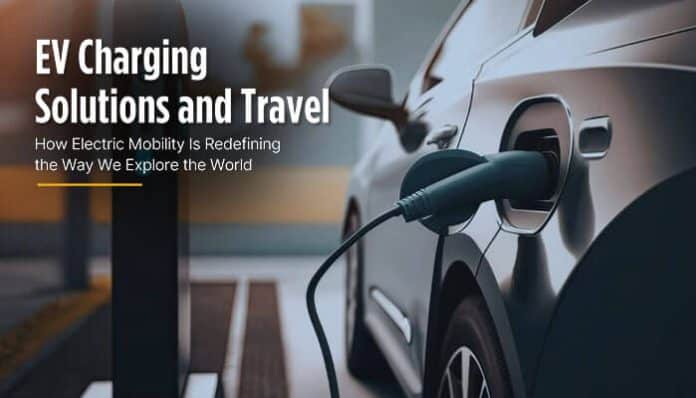
Travel has always been shaped by infrastructure, even when we don’t think about it. Roads, airports, fuel stations, and rail networks quietly decide how easily we move from one place to another. Now, as electric vehicles become more common, a new layer of infrastructure is entering the travel experience: EV charging solutions. What used to be a background utility is now directly influencing how people plan trips, choose destinations, and experience travel itself.
The shift is subtle but powerful. With traditional cars, fuel stations are everywhere and refueling takes minutes. With EVs, charging requires time, planning, and reliable access to infrastructure. That means travel is no longer just about distance, it’s about energy availability along the route. Suddenly, where you stay overnight, where you stop for lunch, and even which scenic detours you take can depend on charging access.
This is why EV charging is no longer just an energy topic, it’s a travel topic. Every charging station becomes part of a traveler’s journey map, and every accommodation with charging capability becomes more valuable. In many ways, EV infrastructure is reshaping travel psychology: instead of asking “Where can I go?”, EV travelers often ask “Where can I go and still charge comfortably?”
Road Trips Are Changing Because of EV Charging Solutions
Road trips have always represented freedom open roads, spontaneous stops, and flexible itineraries. But electric vehicles introduce a new kind of planning into that freedom. With EV charging solutions now essential to long-distance travel, road trips are evolving from purely spontaneous adventures into strategically mapped journeys.
Instead of driving until the tank is low and stopping anywhere convenient, EV travelers often plan routes around charging stations. These stops are not just technical necessities; they become part of the travel experience. A 30-minute fast charge might turn into a coffee break, a meal, or even a short sightseeing stop in a small town that would otherwise be overlooked.
Interestingly, this change is creating a new form of “slow travel.” EV drivers tend to explore places more deeply because their journey naturally includes pauses. Those pauses often lead to unexpected discoveries local cafes near charging stations, parks next to shopping centers, or scenic viewpoints near highway chargers. In a way, EV charging infrastructure is reshaping travel rhythm, encouraging people to slow down and engage more with their surroundings.
However, the quality of that experience depends heavily on infrastructure reliability. A well-placed fast charger can make a trip seamless, while a poorly distributed network can create anxiety. That’s why modern EV charging solutions are increasingly being designed with travel corridors in mind, not just urban convenience.
Hotels, Rentals, and the Rise of Charging-Friendly Stays
Accommodation has become one of the most important factors in EV travel planning. Hotels, vacation rentals, and even multifamily properties are now being evaluated based on their charging availability. This is where EV charging solutions are directly influencing the hospitality industry.
For travelers, having access to overnight charging is a game changer. Instead of searching for a public station each morning, they can wake up to a fully charged vehicle and start the day immediately. This convenience reduces stress and gives travelers more freedom to explore without constantly monitoring battery levels.
Hotels are starting to recognize this shift. Many are installing Level 2 chargers in parking areas, while some premium locations are offering fast charging stations. Vacation rentals are also adapting, especially in tourist regions where EV adoption is high. A property with charging access often stands out in listings, even if it costs slightly more.
Multifamily properties used as short-term rentals are becoming especially important in this ecosystem. These buildings bridge residential comfort with travel needs. When they include EV charging, they effectively become part of the travel infrastructure network. This is where housing and travel intersect in a very modern way: your place to sleep also powers your journey.
How EV Charging Shapes Destination Choices
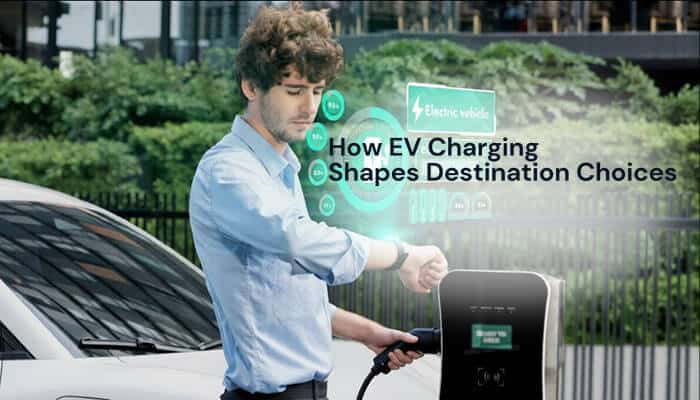
One of the most interesting effects of EV charging solutions is how they influence where people choose to travel. In the past, destination decisions were based on scenery, culture, distance, and cost. Now, charging availability is quietly becoming part of that decision-making process.
A beautiful coastal town might be less attractive if charging options are limited. Meanwhile, a smaller city with strong EV infrastructure might become a preferred stop. This doesn’t mean travelers are compromising on experience; it means infrastructure is becoming part of the experience.
Tourism boards and city planners are starting to understand this shift. Many regions are investing in EV-friendly infrastructure specifically to attract travelers. Highway corridors, national parks, and tourist hubs are increasingly being equipped with charging stations to support this new wave of mobility.
In a way, EV charging is redistributing tourism flow. Places that invest early in infrastructure may see more visitors, while areas without it risk being bypassed. Travel is no longer just about attractions; it’s about accessibility.
The Psychology of Travel with Electric Vehicles
Travel is emotional as much as it is physical. The introduction of EV charging solutions changes not just logistics, but mindset. Range anxiety, the fear of running out of battery, can influence how relaxed or stressed a traveler feels during a trip.
When charging infrastructure is reliable and visible, that anxiety disappears. Travelers feel more confident taking detours, exploring unfamiliar areas, and extending their journeys. But when charging access is uncertain, people tend to plan conservatively, sticking closer to known routes and avoiding spontaneity.
This psychological layer is important because it directly affects the quality of travel experiences. Freedom is one of the core values of travel, and EV infrastructure either supports or restricts that feeling. Good EV charging solutions restore that sense of freedom by making energy access predictable.
Over time, as infrastructure improves, EV travel will likely feel just as effortless as traditional driving—if not more so. But during this transition phase, psychology plays a big role in shaping behavior and expectations.
Cities Becoming Part of the Charging Network
Urban areas are no longer just destinations they are becoming charging ecosystems. Cities that invest in EV charging solutions are effectively turning themselves into mobility hubs where travelers can move freely without worrying about energy limitations.
Public parking garages, shopping centers, and even residential districts are being integrated into charging networks. This creates a layered infrastructure where travelers can charge while eating, shopping, or staying overnight in multifamily properties.
For tourists, this integration is especially valuable. Instead of planning their day around charging stops, they naturally incorporate charging into normal activities. A museum visit, a lunch break, or a hotel stay becomes an opportunity to recharge both the traveler and the vehicle.
This blending of daily life and travel is one of the most significant shifts in modern mobility. Cities are no longer just places you pass through they are active participants in your journey.
The Future of Travel Powered by EV Charging Solutions
Looking ahead, the relationship between travel and EV charging solutions will only deepen. Charging infrastructure is becoming faster, smarter, and more integrated with digital systems. In the near future, travelers may not even think about charging in the traditional sense it will simply be part of the background infrastructure, like Wi-Fi or streetlights.
Ultra-fast charging stations will reduce waiting times significantly, while smart routing systems will guide travelers to available chargers automatically. Hotels and multifamily properties will likely compete not just on comfort, but on charging speed and availability.
There’s also a strong push toward renewable energy integration. Solar-powered charging stations and battery storage systems will make travel more sustainable and less dependent on traditional grids. This adds another layer of appeal for environmentally conscious travelers.
Eventually, EV charging will stop being a “planning factor” and become an invisible enabler of travel freedom. Just as fuel stations are rarely a concern for gasoline drivers today, charging will fade into the background of travel logistics.
Conclusion
The rise of EV charging solutions is quietly transforming travel from the ground up. What once seemed like a technical infrastructure challenge is now shaping how people move, where they stay, and how they experience the world.
Travel is becoming more intentional, more connected, and in many ways more immersive. Whether it’s road trips, hotel stays, city exploration, or long-distance journeys, EV charging is now part of the travel equation.
As infrastructure continues to expand, the connection between mobility and energy will only grow stronger turning EV charging from a limitation into a seamless part of modern exploration.