


Can Americans travel to Cuba? Yes, Americans can visit Cuba legally when their trip meets an authorized U.S. travel category or receives specific permission from the U.S. Treasury Department. However, ordinary tourism remains prohibited. A valid passport, a Cuban visa, and a plane ticket alone do not make a trip legal under U.S. rules.
That difference can feel confusing. Cuba may issue a document called a “tourist visa,” while the United States still prohibits tourist travel. These are separate systems: Cuba decides whether you can enter its country, and U.S. regulations decide which travel-related activities and payments Americans may undertake.
This guide explains both sides in plain English. It covers authorized travel, important September 2026 changes, entry documents, accommodation, money, health, and practical planning. Whether you want to visit relatives or support independent Cuban businesses, understanding the rules before booking can prevent expensive mistakes.
Rules checked: October 5, 2026. This guide provides general information; unusual travel plans may require advice from OFAC or a qualified sanctions lawyer.
Can Americans Travel to Cuba Legally?
Yes, but your actual purpose and activities must meet the relevant authorization.
The Office of Foreign Assets Control, usually called OFAC, administers U.S. sanctions involving Cuba. Its regulations provide general licenses for qualifying activities.
A general license is permission already written into the regulations. If your trip meets every applicable condition, you generally do not submit a separate application.
A specific license is written permission issued by OFAC for an individual situation. You may need one for otherwise eligible non-tourist travel that falls outside a general license.
Choosing a category on an airline form is only part of the process. Your trip must actually match it.
For example, selecting “support for the Cuban people” does not automatically authorize a week spent relaxing at a resort.
What Changed in September 2026?
Several important changes took effect on September 30, 2026. Older travel articles may describe permissions that no longer apply.
| Area | Important change | What travelers should do |
| Group people-to-people travel | The previous educational authorization was removed | Check whether a limited grandfathering provision applies |
| Academic educational travel | Conditions were narrowed | Confirm eligibility with the sponsoring institution |
| Professional meetings | The previous general authorization was eliminated | Do not rely on an older conference itinerary |
| Restricted businesses | Certain indirect financial transactions are now also prohibited | Investigate who receives your payments |
OFAC says some previously authorized educational trips may qualify for grandfathering when the traveler completed at least one qualifying travel-related transaction before September 30, 2026. This is a limited provision, not permission for all future educational trips.
Professional meetings have different transition rules. OFAC describes a limited wind-down through October 30, 2026, for qualifying travelers already in Cuba on September 30, plus provisions for terminating arrangements and obtaining refunds. A previously booked conference should not be assumed eligible to proceed.
What Are the 12 Cuba Travel Categories?
U.S. regulations identify 12 broad categories. Each has its own conditions, and a category’s name does not mean every activity within it is generally authorized.
| Category | Basic purpose or important limitation |
| Family visits | Visiting qualifying close relatives |
| Official government business | Eligible government or intergovernmental work |
| Journalistic activity | Qualifying reporting activities |
| Professional research and professional meetings | Research may qualify; the former meeting authorization was removed |
| Educational activities | Certain qualifying academic and institutional activities |
| Religious activities | Eligible religious work |
| Public performances, clinics, workshops, competitions, and exhibitions | Only activities meeting the applicable authorization |
| Support for the Cuban people | Qualifying activities supporting civil society and independence |
| Humanitarian projects | Eligible projects benefiting Cuban people |
| Private foundations or research or educational institutes | Qualifying organizational activities |
| Information or informational materials | Certain authorized information-related activities |
| Authorized export transactions | Travel connected with specified permitted exports |
Read the current regulation for your category before making payments. OFAC’s updated guidance explains that the September 2026 changes affect several authorizations within this framework.
How Does “Support for the Cuban People” Work?
This category can apply to individuals whose activities promote independent activity intended to strengthen Cuban civil society.
Travelers must maintain a full-time schedule that:
- Enhances contact with Cuban people, supports civil society, or promotes independence from Cuban authorities.
- Produces meaningful interaction with people in Cuba.
- Limits recreation to an amount consistent with that full-time schedule.
Each traveler must qualify. One eligible person does not make an entire group eligible. Restricted payments and prohibited accommodation rules also apply.
The regulation gives useful examples. Staying in a private home, eating at privately owned restaurants, and shopping with self-employed Cubans can contribute to qualifying travel. However, these activities alone do not satisfy the full-time schedule requirement. Additional authorized activities are necessary.
What will I actually do each day that supports the purpose of my license?
Your answer should be more specific than “meet local people.”
How to Build a Meaningful Itinerary
Start with the purpose of your trip. Then arrange activities, transportation, and accommodation around it.
For qualifying support-focused travel, investigate substantive work with independent entrepreneurs or an eligible non-governmental organization. Confirm the organization, activity, payment arrangements, and applicable restrictions before committing.
The following is an illustrative planning framework, not a legally approved itinerary:
| Part of the day | Planning example | Information to document |
| Morning | Substantive activity supporting an independent enterprise | Business, participants, purpose, and duration |
| Afternoon | Continued work with eligible local partners | Tasks completed and meaningful interactions |
| Evening | Dinner and reasonable personal time | Relevant expenses and daily notes |
OFAC’s examples include a full-time volunteer project with a recognized non-governmental organization. They also describe profession-related research and sustained journalistic work under the corresponding licenses.
Build enough detail to explain your activities honestly. If an event is canceled, arrange an appropriate replacement and record what changed.
Can Americans Visit Cuba Without a Tour Group?

Can Americans travel to Cuba independently? Yes, qualifying individual travel is possible under an applicable authorization.
However, independent travel means you take responsibility for checking the rules, arranging eligible activities, screening payments, and keeping records.
A tour company can help with logistics, but its marketing language is not government approval. Ask the operator:
- Which current authorization covers this itinerary?
- How does the schedule meet its conditions?
- Who owns the accommodation and other suppliers?
- How are restricted businesses screened?
- What records will travelers receive?
Be especially careful with packages described as “people-to-people” or “educational.” Their eligibility must reflect the September 2026 changes.
What Documents Do Americans Need?
You need to satisfy Cuban entry requirements as well as U.S. travel rules.
Cuba’s official travel portal lists a valid passport, visa, medical travel insurance, health declaration, round-trip airline ticket, and the digital arrival form’s QR code among its requirements.
Prepare a folder containing:
- Passport and a separate copy
- Appropriate Cuban visa or entry document
- Completed arrival information
- Proof of medical coverage
- Return flight details
- Accommodation addresses
- Travel authorization information and itinerary
Keep copies on your phone and carry printed backups. This is a practical precaution if your battery runs out or you cannot access an email.
Passport validity
Cuba’s official travel information states that passports should be valid for six months from entry. Check your airline’s requirements too, since its boarding checks may be stricter.
Do not leave renewal until the final week before departure.
Cuban eVisa and DViajeros Explained
Cuba operates an electronic visa system through eVisaCuba. The official portal explains that the visa is linked to your passport and that the visa code is sent by email.
DViajeros is the digital arrival form. Completing it produces a QR code for entry processing.
These documents serve different purposes:
| Document | What it does |
| Cuban visa | Provides the relevant Cuban entry permission |
| DViajeros confirmation | Supplies required arrival information |
| OFAC authorization | Establishes the U.S. basis for eligible travel-related transactions |
Use official instructions and confirm the accepted process with your airline. Avoid relying on old advice about buying a paper tourist card at the airport.
Also verify the permitted stay and any extension conditions for your specific visa. Cuban immigration permission does not extend or change your U.S. authorization.
Can Americans Fly Directly to Cuba?
Authorized travelers can use available flights between the United States and Cuba. However, routes, schedules, baggage policies, and document procedures can change.
Check the airline’s current booking information for your dates. Then verify the travel documents with the operating carrier.
Allow extra time at the airport. American Airlines, for example, states that online check-in is unavailable for its Cuba flights and that travelers must provide their reason for travel at airport check-in.
An airline’s willingness to sell a ticket does not establish that your planned activities meet U.S. regulations.
Keep booking confirmations and note which authorization you used.
Does traveling through Mexico or Canada change the rules?
No. U.S. citizens and residents remain subject to the relevant U.S. rules wherever they are located. A connection through another country does not turn a prohibited tourist trip into authorized travel.
Where Can Americans Stay in Cuba?
Accommodation requires careful checking.
Two separate resources matter:
- Cuba Restricted List: Identifies entities subject to specified transaction restrictions.
- Cuba Prohibited Accommodations List: Identifies properties subject to lodging and reservation restrictions.
A hotel being available on a booking website does not mean Americans may reserve it.
OFAC explains that applicable restrictions can cover staying at a listed property, paying for it, or reserving it for someone else.
Private guesthouses, often called casas particulares, may suit a qualifying itinerary. Still, investigate the actual owner and payment recipient.
Before booking, ask for the property’s full name, address, ownership information, payment method, and cancellation terms. Save the response with your travel records.
Why Indirect Payments Matter
Since September 30, 2026, the relevant Cuba Restricted List prohibition also covers certain indirect financial transactions.
Paying through an intermediary does not automatically remove a restriction. A package operator or booking service may still route money to a restricted entity.
OFAC also strengthened its rules against transactions intended to evade these restrictions.
For practical planning, ask where your money goes. Review the accommodation, transport company, and other suppliers included in a package.
If ownership or payment details are unclear, resolve the uncertainty before paying. Keep the written explanation rather than relying on a verbal promise.
Will U.S. Credit Cards Work in Cuba?
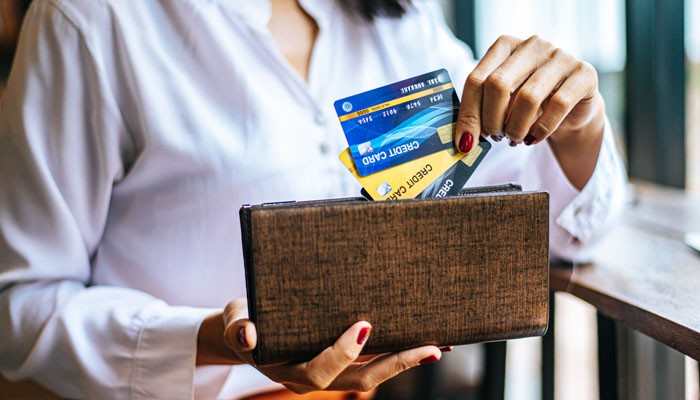
Plan your finances assuming U.S.-issued credit and debit cards will not work. The State Department advises travelers to bring cash and check alternative payment arrangements before departure.
Cuban pesos are commonly identified as CUP. Confirm the accepted currency before agreeing to a price.
There is a difference between legal permission and practical availability. OFAC permits authorized card use for eligible activity, but the issuing bank must have the necessary arrangements.
Useful money precautions include:
- Budget for the entire trip plus delays
- Keep cash in more than one secure place
- Confirm payment methods with each provider
- Record the currency and amount on receipts
- Check current cash declaration requirements
Avoid using an unverified exchange rate from an old blog post to calculate your whole budget.
How Much Does a Cuba Trip Cost?
There is no reliable single price for every American traveler. Costs depend on your departure city, dates, trip length, accommodation, transport, and authorized activities.
Instead of using a headline estimate, collect current quotes for these items:
| Expense | What to check |
| Flights | Fare, baggage, seat fees, and change conditions |
| Visa | Official fee and any service charge |
| Insurance | Included coverage and additional protection |
| Accommodation | Nightly rate, ownership, and payment method |
| Transport | Airport transfers and scheduled travel |
| Activities | Eligible services and payment recipients |
| Food and water | Daily allowance |
| Emergency reserve | Extra nights, changed flights, or medical expenses |
Check whether quotes are per person, per vehicle, or per room.
A lower price is useful only when the service fits your plans and the applicable rules. Allow room in your budget for unexpected changes.
Is Cuba Safe for American Travelers?
At the time of checking, the State Department listed Cuba at Level 2: Exercise Increased Caution, citing crime and unreliable electricity.
Its advisory warns about theft and prolonged outages. It recommends preparing for power failures, avoiding demonstrations, and enrolling in the Smart Traveler Enrollment Program, or STEP.
Practical preparation should include:
- A charged power bank and flashlight
- Offline maps and written addresses
- Secure storage for documents and cash
- Emergency contacts available without internet
- A plan for essential medical equipment
Ask your accommodation how it handles power interruptions. If refrigeration or electricity is essential for your health, discuss a backup plan before booking.
Review the latest advisory again shortly before departure.
Medical Insurance and Health Preparation
Cuba requires medical coverage acceptable for entry. The State Department says coverage is usually included in tickets for flights originating in the United States, but travelers should confirm this with the airline.
Ask about the policy’s dates, limits, claims process, and emergency assistance. Basic entry coverage may not meet all your needs, particularly for evacuation or trip disruption.
The CDC recommends reviewing vaccines and medicines before travel, ideally with a healthcare professional at least a month ahead. Its Cuba guidance also emphasizes mosquito prevention and safe food and water practices.
Pack essential prescription medicines and relevant documentation. Seek personalized advice if you are pregnant, have a chronic condition, or need specialized care.
How Long Should You Keep Travel Records?
Keep complete records of your authorized transactions.
The current general OFAC recordkeeping rule requires records to remain available for examination for at least 10 years, unless another provision applies. Older Cuba guides may still mention five years.
Save your:
- Itinerary and authorization information
- Flight and accommodation confirmations
- Receipts and payment records
- Supplier ownership checks
- Activity correspondence
- Daily notes and schedule changes
Write short notes while details are fresh. Describe what you actually did, who participated, and why the activity related to your authorization.
A folder of reservations alone may not explain how the completed trip met its conditions.
Can Americans Bring Back Cuban Cigars or Rum?
Authorized travelers may not return to the United States with alcohol or tobacco acquired in Cuba as accompanied baggage for personal use.
U.S. Customs and Border Protection distinguishes this restriction from permitted personal consumption during an authorized stay.
Do not assume that buying something in a duty-free shop makes it eligible for U.S. entry.
Check the current rules for other purchases, including food, plants, artwork, and commercial goods. Declare items accurately when returning.
Special Situations: Family, Dual Citizenship, and ESTA
Visiting relatives
Family visits have a defined eligibility rule. OFAC’s definition of a close relative includes qualifying relationships through blood, marriage, or adoption within specified generational limits. Check the definition rather than assuming every distant relative qualifies.
Cuban-American travelers
Cuban dual nationals may need a Cuban passport for Cuban entry and departure. U.S. citizens must use their U.S. passport to enter the United States. Cuban-born travelers should verify their individual requirements before booking.
Foreign companions using ESTA
ESTA is not required for Americans returning on U.S. passports. However, travel to Cuba on or after January 12, 2021, generally affects Visa Waiver Program eligibility for foreign nationals, subject to limited exceptions. They may need a U.S. visa for later travel.
Final Checklist Before Booking
Before committing to a trip, confirm:
- Your purpose meets a current authorization
- Each traveler qualifies
- Your itinerary supports that purpose
- Suppliers and payments pass the relevant checks
- Entry documents and medical coverage are arranged
- Your cash budget includes a reserve
- You can retain complete travel records
Conclusion
Can Americans travel to Cuba in 2026? Yes, qualifying travel remains possible. The key is matching your actual trip to a current authorization, meeting Cuban entry requirements, and checking every important payment.
Plan from the purpose outward: first establish eligibility, then arrange activities, accommodation, documents, and transport. Give special attention to the September 2026 changes and recheck official guidance before departure.
Can Americans Travel to Cuba FAQs
1. Can Americans Travel to Cuba in 2026?
Yes. Can Americans Travel to Cuba legally in 2026? They can, but the trip must qualify under an authorized U.S. travel category. Ordinary tourism remains prohibited.
2. Do Americans Need a Visa to Travel to Cuba?
Yes. Americans generally need the appropriate Cuban visa or entry authorization, along with a valid passport and other required travel documents.
3. Can Americans Travel to Cuba for Tourism?
No. U.S. rules prohibit ordinary tourist travel to Cuba. Americans must travel under an applicable authorized category or obtain specific permission when required.
4. Can Americans Travel to Cuba Without a Tour Group?
Yes. Can Americans Travel to Cuba independently? Qualifying travelers can travel without a tour group if their activities satisfy the requirements of the applicable authorization.
5. What Documents Do Americans Need to Travel to Cuba?
Travelers may need a valid passport, Cuban visa or entry document, DViajeros confirmation, medical insurance, flight details, and records supporting their U.S. travel authorization.
