



Eating well does not have to feel like a science project. A balanced diet is really about giving your body the right mix of nutrients across the day, and protein sits at the center of that conversation. The choices you make around protein affect your energy, recovery, satiety, and long-term health more than almost any other dietary decision. The good news is that smart protein choices does not require strict rules or expensive ingredients. It only asks for a little awareness about where your protein is coming from and how it fits into the rest of your plate.
Understanding What Your Body Actually Needs
Protein is one of three macronutrients your body relies on every single day, alongside carbohydrates and fats. It builds and repairs tissue, keeps your immune system running, and supports the production of enzymes and hormones. The trick with protein is that quantity alone is not the goal. Quality matters just as much. A complete protein source provides all nine essential amino acids that your body cannot produce on its own. Without those, even a high-protein meal falls short of what your muscles and organs really need.
Why Seafood Deserves a Place on Your Plate
Seafood is one of the most efficient protein sources you can build a meal around, and it earns that reputation through more than just protein content alone. Oily varieties like salmon, mackerel, and sardines deliver a strong dose of omega-3 fatty acids, which support heart and brain health in ways that few other foods can match. Leaner white options like cod and tilapia offer high protein with very little fat, making them a smart fit for lighter meals. If you want a deeper look at how different species compare across calories, fat, and nutrient density, this helpful guide on fish nutrition breaks down the differences clearly. The takeaway is simple. Rotating between oily and lean varieties gives you the best of both worlds, with steady protein on one side and essential fats on the other.
Building Around Lean Animal Protein
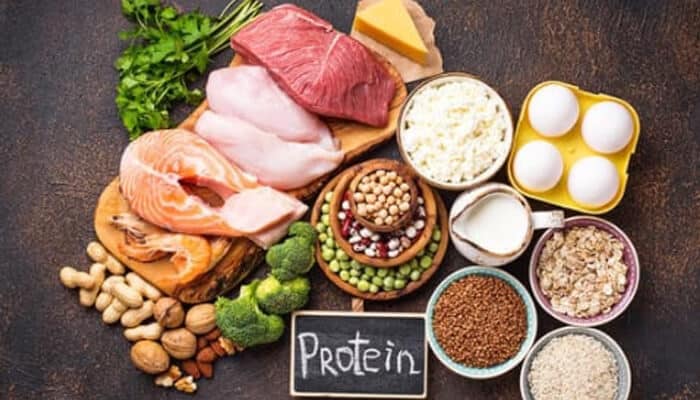
Poultry, eggs, and lean cuts of red meat all have a role to play in a balanced approach. Skinless chicken and turkey are reliable everyday options because they offer high protein with modest fat. Eggs are often overlooked as a complete protein source, yet they pack everything your body needs in a small, affordable package. Lean cuts of beef and lamb can absolutely fit into a balanced diet when portioned thoughtfully and balanced with vegetables and whole grains.
The mistake many people make is leaning too heavily on one source. Eating chicken twice a day for weeks on end may hit your protein target, but it limits the range of nutrients you take in. Variety is what turns a high-protein diet into a balanced one. Each animal source carries its own profile of vitamins and minerals, so rotating between them keeps your meals interesting and your nutrient intake broader.
Plant Proteins Are More Than a Backup
Beans, lentils, chickpeas, tofu, tempeh, edamame, and quinoa are not just for those following a meatless lifestyle. They belong in everyone’s diet for the simple reason that they bring fiber, antioxidants, and slow-digesting carbohydrates along with their protein. A bowl of lentil soup or a chickpea salad delivers steady energy and keeps you full for hours.
Many plant proteins are not complete on their own, which is why combining them works so well. Rice and beans, hummus and whole grain bread, or peanut butter on whole wheat toast all create complete amino acid profiles when paired. Adding even a few plant-based meals each week reduces your saturated fat intake while boosting your fiber, and most people feel the difference within a couple of weeks.
Plant proteins also tend to be gentler on digestion when introduced gradually, giving your gut time to adjust to the higher fiber load. Over time, this shift can support better cholesterol levels and a more diverse gut microbiome, both of which play a quiet but meaningful role in long-term health.
Dairy and Its Quiet Contribution
Greek yogurt, cottage cheese, milk, and certain cheeses are dense protein sources that often slip under the radar. Greek yogurt in particular is one of the easiest ways to add protein to breakfast or a snack. Cottage cheese has been quietly making a comeback because it delivers a slow-digesting protein that works beautifully before bed or after a workout. Choose unsweetened versions where possible, since added sugars can quickly turn a healthy choice into something closer to dessert.
For those who do not tolerate dairy well, fortified plant milks and yogurts made from soy or oats can fill a similar role. The point is not to force any single food into your routine but to find the protein sources you actually enjoy and can keep eating consistently.
Putting It All Together on Your Plate
A balanced plate is easier to picture than to overthink. Aim for a palm-sized portion of protein, a fist of vegetables or fruit, a cupped hand of whole grains or starchy vegetables, and a thumb-sized serving of healthy fat. This simple visual works across cuisines and eating styles without requiring you to weigh anything or count obsessively.
Variety across the week matters more than perfection at any single meal. If lunch leans heavily on animal protein, lean toward plant-based options at dinner. If you had eggs for breakfast, go for fish or beans later in the day. Your body responds well to this kind of natural rotation because it gets a steady stream of different nutrients rather than a narrow set repeated over and over.
Smart protein choices come down to mixing animal and plant sources, leaning into seafood a couple of times a week, and choosing whole foods over heavily processed alternatives whenever possible. The plate you build today shapes how you feel tomorrow, and small, consistent choices add up faster than dramatic short-term diets ever will.