

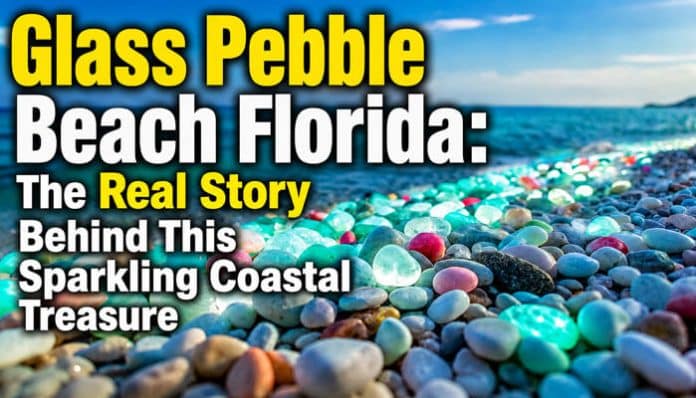

If you have searched for glass pebble beach florida, you have probably seen photos of shorelines covered edge to edge in shiny, colorful glass. It looks like something out of a fairy tale, and that picture is exactly why so many people want to find this place for themselves. But here is something most articles will not tell you upfront: There is no single, official beach in Florida that is fully blanketed in glass the way Glass Beach in Fort Bragg, California is. What Florida actually offers is even more interesting once you understand it, and that is what this guide is going to walk you through.
Florida has more than 1,300 miles of coastline, and scattered along parts of it, you can genuinely find sea glass. These are small, smooth, frosted pieces of old glass that have been tumbled by waves for years until their sharp edges disappear and they turn into something that looks almost like a polished gemstone. They show up mixed in with sand, shells, and seaweed rather than covering an entire beach. So when people say glass pebble beach Florida, they are usually talking about a handful of specific spots, mostly along the Gulf Coast, where dedicated beachcombers have had luck finding these glass treasures over the years.
In this guide, we will cover exactly where these sea glass spots are located, the best time of year and time of day to search, how sea glass actually forms, what colors you can expect to find, safety tips for your trip, and answers to the questions people ask most often about glass pebble beach florida.
What Is Glass Pebble Beach in Florida?
The term “glass pebble beach florida” is used online to describe several different beaches along Florida’s coastline that are known for producing sea glass. Sea glass is old broken glass, often from bottles, jars, or even old shipwrecks, that ended up in the ocean. Over years or even decades, waves and sand grind down the sharp edges and frost over the surface, turning trash into something smooth and almost jewel-like.
Unlike the famous Glass Beach in California, which sits on top of an old dump site and is genuinely covered in glass fragments, Florida’s sea glass beaches are spread out. You will not see a beach that looks entirely made of glass. Instead, you will find scattered pieces mixed in with shells and sand, which actually makes the search feel more like a real treasure hunt.
Here is a quick way to picture the difference:
| Feature | Florida Sea Glass Beaches | California Glass Beach (Fort Bragg) |
| Origin | Natural buildup from litter, shipwrecks, scattered debris | Former dump site, glass intentionally discarded for decades |
| Coverage | Scattered pieces mixed with sand and shells | Dense coverage of glass across the shoreline |
| Best way to search | Walk slowly, check high tide line and after storms | Glass is visible almost everywhere on the sand |
| Experience | Treasure hunt style, takes patience | Glass is immediately visible upon arrival |
So if your goal is to see a beach that looks like it is made entirely of glass, Florida will not match that picture. If your goal is a relaxing, rewarding hunt for real sea glass along a beautiful Gulf Coast shoreline, Florida delivers that experience well.
Where to Find Sea Glass in Florida
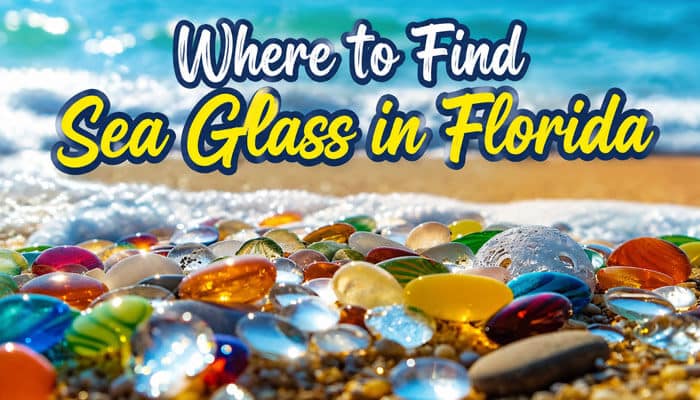
While there is no single, officially named Glass Pebble Beach, several real locations across the state have earned strong reputations among local beachcombers. Here are the spots worth visiting.
1. Fort De Soto Park, near St. Petersburg: This park is one of the most recommended spots for sea glass hunting on the Gulf Coast. It is already famous for shelling, and many visitors who walk the quieter sections of the beach report finding smooth glass pieces too, especially after storms roll through.
2. Venice Beach: Venice is best known for shark teeth, which means a lot of visitors are staring down looking for fossils and walk right past sea glass without noticing it. Checking the shell piles after low tide is your best bet here.
3. Siesta Key: Siesta Key’s soft white sand stretches across several connected beaches, including Crescent Beach and Turtle Beach. The area sits near old shipwreck sites off the Florida Keys, which over the decades have contributed glass debris that eventually washes ashore.
4. Navarre Beach: Located on the Gulf Coast, Navarre Beach has clear turquoise water and frequently strong wave activity. Those stronger waves help push buried glass closer to shore, making it a solid pick for a focused hunting trip.
5. Jupiter Beach: On the east coast of Florida, Jupiter Beach has gentle waves that let you comb the shoreline for longer without fighting rough surf. It is also a great spot for shell collecting alongside your glass search.
6. Jacksonville Beach: Known mostly for its pier and water sports, Jacksonville Beach also has a steady local community of beachcombers who search this stretch regularly for sea glass.
A simple way to remember your options:
- Gulf Coast picks: Fort De Soto Park, Venice Beach, Siesta Key, Navarre Beach
- East Coast picks: Jupiter Beach, Jacksonville Beach
- Best for beginners: Fort De Soto Park, since it combines easy access with a strong track record of finds
- Best for a quieter, slower search: Venice Beach and Navarre Beach
How Sea Glass Actually Forms
Understanding how sea glass forms helps explain why you will not find a beach fully covered in it across Florida.
Sea glass begins as ordinary glass, usually from bottles, jars, or tableware that ends up in the ocean either through litter, storms, or old shipwrecks. Once it is in the water, three things happen over a long stretch of time:
1. Tumbling: Waves constantly roll the glass against sand and rock, wearing down its sharp edges.
2. Frosting: Saltwater slowly reacts with the surface of the glass, creating that soft, cloudy texture instead of a shiny, see-through look.
3. Rounding: Years of motion smooth the glass into the rounded, pebble-like shapes collectors search for.
This process usually takes decades, not months. That is part of why genuine sea glass feels special when you find it; you are literally holding a piece of history that the ocean has been shaping since before you were born.
Florida has stricter environmental protections than it once did, and large-scale dumping along its coast was never as common as it was in places like Fort Bragg. That is the main reason Florida produces scattered sea glass rather than entire glass-covered shorelines.
Sea Glass Colors You Can Expect to Find
Part of the fun of glass pebble beach florida hunting is not knowing what color you will spot next. Some colors are common, while others are rare enough to feel like a real win.
- Common colors: White, brown, and kelly green, since these came from everyday bottles like beer and soda
- Less common colors: Soft blue, jade, and amber
- Rare finds: Cobalt blue, purple, red, orange, turquoise, and yellow
Generally speaking, the rarer the original glass color was in commercial use, the rarer it is to find as sea glass today. Red and orange pieces often came from old warning lights or special decorative glass, which is part of why collectors get excited when they spot one.
Best Time to Visit for Glass Pebble Hunting
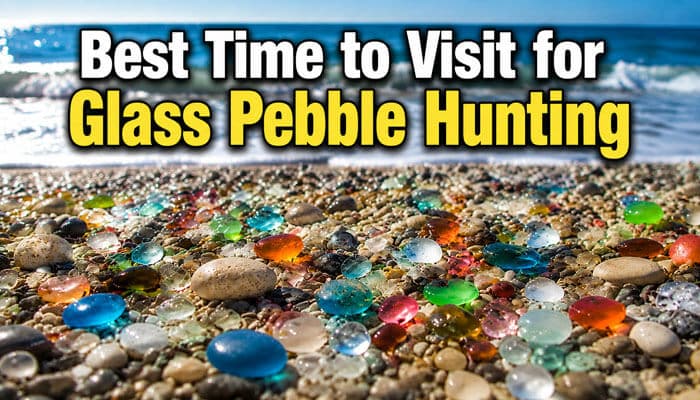
Timing matters more than people expect when it comes to finding sea glass.
1. Best season: Fall (September to November) and spring (March to May) tend to be ideal. The weather is comfortable, beaches are less crowded, and you can spend more time scanning the shoreline without overheating.
2. Best time of day: Early morning, right around or after low tide, gives you the best chance. The tide pulls back and exposes material that was buried under deeper water, including glass that washed in overnight.
3. After a storm: This is the single best window for serious hunters. Storms churn up the seafloor and push buried debris toward shore, which means more glass washes up than on a calm day.
A quick checklist for planning your trip:
- Check the tide chart and aim to arrive near low tide
- Watch the weather forecast for any storms in the days before your visit
- Walk with the sun behind you, since frosted glass catches the light differently than shells and becomes easier to spot
- Be patient. It is normal to walk for a while before finding your first piece
What to Bring on Your Trip
Since several of these locations are quieter and more spread out than Florida’s busiest beaches, it helps to come prepared.
- Water: Many of these spots do not have vendors nearby, so bring enough to stay hydrated
- Sunscreen: Florida sun is strong even in fall and spring
- Sturdy footwear or water shoes: Useful for walking on uneven sand and shell piles, and for wading safely near smoothed glass
- A small bag or container: For collecting pieces as you go
- A camera: The colors look stunning in natural light, especially during sunrise or sunset
Is It Safe to Collect Sea Glass in Florida?
Yes, in most cases collecting a small amount of sea glass for personal use is fine, since these pieces are not part of a protected natural feature like coral or shells from certain regulated species. That said, a few simple rules are worth following:
- Take only a small amount and leave plenty behind for other visitors
- Avoid disturbing wildlife, nesting areas, or protected dunes while searching
- Pack out everything you bring in, including any trash you come across
- Always check current park rules before visiting, since regulations can be updated and vary by location
Being respectful of these spots is part of what keeps them beautiful for the next person who comes looking for their own piece of glass pebble beach florida.
Final Thoughts
Glass pebble beach florida is not one single destination you can plug into a map and drive straight to. It is a collection of real, beautiful Gulf Coast and east coast beaches where patient beachcombers have spent years finding genuine sea glass mixed in with sand and shells. That might sound less dramatic than a beach entirely covered in glittering glass, but in many ways it makes the experience better. Every piece you find at Fort De Soto Park, Venice Beach, Siesta Key, or any of these other Florida spots feels earned, and that is exactly what makes sea glass hunting in Florida such a rewarding way to spend a day at the coast.
Glass pebble beach Florida FAQs
1. Is there a real Glass Pebble Beach in Florida like the one in California?
No single beach in Florida is fully covered in glass the way Fort Bragg’s Glass Beach is. Florida’s sea glass is scattered across several beaches rather than concentrated in one spot.
2. Where is the best place to start looking for sea glass in Florida?
Fort De Soto Park near St. Petersburg is one of the most recommended starting points, thanks to its track record and relatively easy access.
3. What is the best time of year to find sea glass in Florida?
Fall and spring offer the most comfortable conditions, though searching right after a storm at any time of year tends to produce the best results.
4. Can I swim near these sea glass beaches?
Yes, most of these locations are regular swimming beaches with calm or moderate waves. Water shoes are a smart choice since smoothed glass can still be mixed in with shells underfoot.
5. Can I keep the sea glass I find?
Generally yes, in small amounts, but it is always worth checking local park guidelines before your visit, since rules can vary by location.
