


Tokyo is exciting, fast-moving, and full of things to see. However, some of Japan’s most memorable experiences are located just beyond the capital. The best Tokyo day trips can take you from crowded streets to mountain trails, historic temples, peaceful beaches, and hot-spring towns in only a few hours.
Japan’s reliable rail network makes these journeys surprisingly simple. You can see Mount Fuji from Lake Kawaguchiko, explore the shrines of Nikko, walk beside the sea in Kamakura, or enjoy Yokohama’s waterfront without changing hotels. Many destinations can be reached independently, although guided tours may help when public transport is limited.
This guide compares 15 rewarding Tokyo day trips for different seasons, budgets, and travel styles. It includes realistic travel times, suggested itineraries, local highlights, and planning advice. Transport details and prices can change, so check official operator websites before leaving.
Comparison of the Best Tokyo Day Trips
| Destination | Best for | Approximate one-way time | Ideal season |
| Kamakura | Temples, history and beaches | 1 hour | Spring and autumn |
| Hakone | Hot springs and Fuji views | 1.5–2 hours | Autumn and winter |
| Nikko | UNESCO shrines and nature | About 2 hours | Autumn |
| Lake Kawaguchiko | Close Mount Fuji views | About 2 hours | Winter and spring |
| Yokohama | Waterfront and food | 30–45 minutes | Year-round |
| Mount Takao | Hiking and nature | About 1 hour | Spring and autumn |
| Kawagoe | Edo-period streets | 30–60 minutes | Year-round |
| Enoshima | Island views and beaches | 1–1.5 hours | Summer |
| Chichibu | Mountains and festivals | 1.5–2 hours | Spring and autumn |
| Nokogiriyama | Hiking and giant Buddha | About 2 hours | Autumn and winter |
| Sawara | Historic canal district | About 2 hours | Spring and autumn |
| Narita | Temple town and local culture | 1–1.5 hours | Year-round |
| Odawara | Castle and local seafood | About 40–90 minutes | Spring |
| Atami | Onsen and coastal scenery | 45–100 minutes | Year-round |
| Hitachi Seaside Park | Seasonal flowers | 2–2.5 hours | Spring and autumn |
Times vary according to your departure station, service, transfers, and ticket type.
1. Kamakura: Best for Temples, History and the Sea
Kamakura is one of the easiest and most rewarding Tokyo day trips. The city served as Japan’s political center during the Kamakura period, which began in the late 12th century. Today, visitors come for ancient temples, wooded paths, traditional shops, and a relaxed coastal atmosphere.
Start at Kita-Kamakura Station and visit Engakuji Temple. You can then walk or take a local train toward central Kamakura. Tsurugaoka Hachimangu, the city’s most important Shinto shrine, sits at the end of the broad Wakamiya Oji avenue.
After lunch, travel to Hase to see Kotoku-in’s Great Buddha. This large bronze statue has stood outdoors for centuries. Hasedera Temple is also nearby and offers attractive gardens and coastal views.
A practical Kamakura route includes:
- Engakuji Temple
- Komachi Street
- Tsurugaoka Hachimangu
- Kotoku-in Great Buddha
- Hasedera Temple
- Yuigahama Beach, if time allows
Kamakura becomes crowded on weekends and public holidays. Arrive before 9 a.m. for quieter temple grounds.
2. Hakone: Best for Hot Springs and Mountain Scenery
Hakone is famous for hot springs, museums, volcanic landscapes, and possible views of Mount Fuji. It is among the most popular Tokyo day trips, but the area is large. A realistic plan is more enjoyable than trying to visit every attraction.
Many first-time visitors follow the Hakone sightseeing loop. This route may include a mountain railway, cable car, ropeway, boat ride, and bus. Weather, volcanic conditions, and maintenance can affect individual services.
Owakudani is known for its volcanic terrain and sulfur vents. Lake Ashi offers sightseeing cruises, while the red gate associated with Hakone Shrine creates a popular lakeside photograph. Art lovers can choose the Hakone Open-Air Museum instead of rushing through the entire loop.
A balanced itinerary could include:
1. Travel from Shinjuku to Hakone-Yumoto.
2. Continue to the Hakone Open-Air Museum.
3. Ride toward Owakudani, if operating.
4. Cross Lake Ashi by sightseeing boat.
5. Visit Hakone Shrine.
6. Return to Tokyo after an onsen bath or early dinner.
Purchase transport passes only after comparing their coverage with your route. Limited-express trains may require a separate reservation or surcharge.
3. Nikko: Best for UNESCO-Listed Shrines
Nikko combines decorated religious buildings with forests, waterfalls, and mountain scenery. Its shrines and temples form a UNESCO World Heritage Site, making Nikko one of the most culturally important day trips from Tokyo.
Toshogu Shrine is the main attraction. It is the final resting place of Tokugawa Ieyasu, founder of the Tokugawa shogunate. The complex is known for detailed carvings, gold decoration, gates, and buildings surrounded by tall cedar trees.
Nearby attractions include Rinnoji Temple, Futarasan Shrine, and the red Shinkyo Bridge. These sites can be explored on foot, although the ground is not completely flat.
Central Nikko is possible as a day trip. Lake Chuzenji and Kegon Falls are farther into the mountains and add significant travel time. Choose either the heritage area or the lake region unless you are comfortable with a long, tightly planned day.
Autumn foliage brings large crowds and traffic delays. Take an early train and reserve limited-express seats when possible.
4. Lake Kawaguchiko: Best for Mount Fuji Views
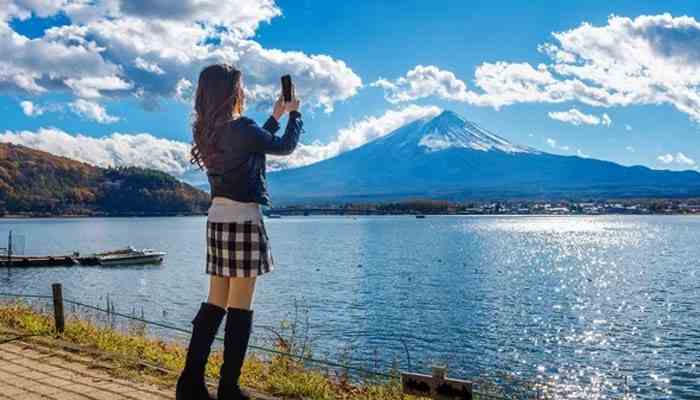
Lake Kawaguchiko is a strong choice for travelers who want classic views of Mount Fuji. The lake is one of the Fuji Five Lakes and has observation points, museums, parks, and seasonal flowers.
Clear visibility is never guaranteed. Mount Fuji is often easier to see in the morning, particularly during colder months when the air tends to be clearer. Clouds can cover the mountain even when Tokyo’s weather appears pleasant.
Popular places around the lake include:
- Oishi Park
- The north shore
- Mount Fuji Panoramic Ropeway
- Kawaguchiko Music Forest Museum
- Chureito Pagoda in nearby Fujiyoshida
- Seasonal flower-viewing areas
Avoid placing Chureito Pagoda, multiple museums, a full lake circuit, and a distant attraction into the same short itinerary. Local buses can become crowded, and road traffic may cause delays.
Highway buses depart from several Tokyo locations, while rail routes are another option. Reserve early during cherry blossom, autumn foliage, and holiday periods.
5. Yokohama: Best Easy Day Trip from Tokyo
Yokohama is Japan’s second-largest city by population and one of the simplest places to visit from Tokyo. Its wide waterfront, international history, museums, and food attractions make it suitable for families and travelers who want a flexible schedule.
Begin around Minato Mirai, where modern buildings overlook the harbor. Walk through the waterfront area toward the historic Red Brick Warehouse and Yamashita Park. Continue to Chinatown for lunch or dinner.
Good places to consider include:
- Minato Mirai
- Yokohama Red Brick Warehouse
- Cup Noodles Museum
- Yamashita Park
- Yokohama Chinatown
- Sankeien Garden
Sankeien is a beautiful traditional Japanese garden, but it is located away from the central waterfront. Allow extra bus or taxi time if you add it.
Yokohama also works well as a half-day excursion or evening trip. Night views around Minato Mirai are especially attractive.
6. Mount Takao: Best for an Easy Nature Escape
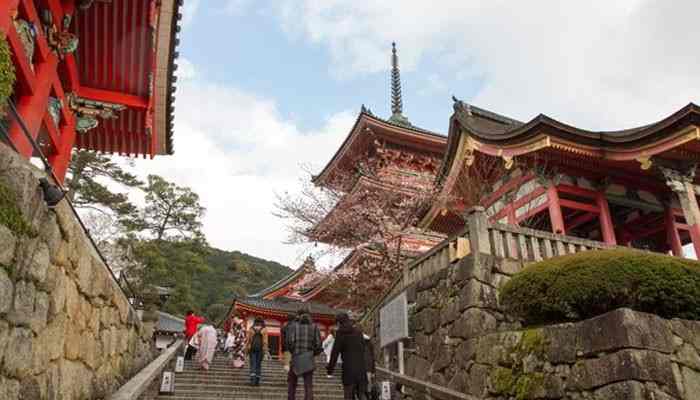
Mount Takao offers forest trails about an hour from central Tokyo. It is ideal for visitors who want nature without organizing a long-distance journey.
Trail 1 is the most developed route. It has paved sections, rest facilities, temple buildings, and access to a cable car or chairlift. Other paths provide a quieter and more natural hiking experience, but conditions can be rougher.
Yakuoin Temple is an important spiritual site on the mountain. On clear days, viewpoints near the summit may offer distant views of Mount Fuji.
Bring:
- Supportive walking shoes
- Water
- Sun protection
- A light rain layer
- Warm clothing outside summer
- A small bag for rubbish
Mount Takao becomes extremely busy during autumn foliage season. Go on a weekday and begin early if you prefer a peaceful walk.
7. Kawagoe: Best for Edo-Period Atmosphere
Known as “Little Edo,” Kawagoe preserves merchant buildings and streets connected with Japan’s Edo period. Its convenient location makes it one of the best short Tokyo day trips.
The Warehouse District features dark, fire-resistant buildings that create a strong historic atmosphere. The Toki no Kane bell tower is the area’s main symbol. Nearby Kashiya Yokocho, or Candy Alley, sells traditional sweets and snacks.
Do not miss Kitain Temple, which has an important connection with the Tokugawa family. Some structures associated with the former Edo Castle were moved here.
Kawagoe is not a perfectly preserved village. It is a living city with buses, traffic, shops, and modern buildings. Still, its historic center provides an enjoyable contrast to Tokyo.
Allow time for local foods such as sweet-potato snacks, which reflect a product closely associated with the area.
8. Enoshima: Best for Island Views and Coastal Fun
Enoshima is a small island near the Shonan coast. It is often combined with Kamakura, but it deserves a slower visit if you enjoy sea views and relaxed walking.
A bridge connects the mainland with the island. From there, streets rise toward the Enoshima Shrine complex. Escalators are available for a fee on parts of the uphill route, but visitors will still encounter stairs.
Depending on time and conditions, you can explore:
- Enoshima Shrine
- Samuel Cocking Garden
- Sea Candle observation tower
- Iwaya caves
- Coastal walking areas
- Local seafood restaurants
The caves may close because of rough seas or bad weather. Check conditions before planning your day around them.
Enoshima can be crowded in summer. Evening light and coastal sunsets make it worth staying later, but confirm your return connections.
9. Chichibu: Best for Rural Landscapes and Festivals
Chichibu lies in the mountains of western Saitama Prefecture. It offers temples, seasonal scenery, local food, and a slower pace than central Tokyo.
Hitsujiyama Park is well known for its moss phlox, which usually creates broad carpets of color during spring. The exact bloom period changes with the weather. Chichibu also has a famous night festival in December, although that event requires careful transport and crowd planning.
Nagatoro, located in the wider Chichibu area, is known for river scenery and boat trips. River activities depend on water and weather conditions.
Because attractions are spread out, choose one area instead of treating Chichibu as a single walkable district. Check bus and train timetables before departure, particularly on weekdays.
10. Nokogiriyama: Best for Adventure and Unusual Statues
Nokogiriyama, or “Saw Mountain,” sits in Chiba Prefecture. It is known for stone cliffs, viewpoints, temple grounds, and large Buddhist carvings.
Nihonji Temple covers a broad part of the mountain. Attractions include a large seated Buddha, rows of stone figures, and the dramatic Jigoku Nozoki viewpoint. Reaching everything requires many stairs and uneven paths.
Possible transport routes involve trains, a ferry across Tokyo Bay, or a combination of the two. The ropeway can reduce some climbing, but visitors still need suitable footwear and reasonable fitness.
Avoid this trip during severe wind, heavy rain, or extreme heat. Check the ropeway’s operating status before leaving Tokyo.
11. Sawara: Best for a Quieter Historic Town
Sawara is located in Chiba Prefecture near Narita. Its canal district once prospered through river transport and trade. Traditional buildings remain along the water, creating a calm setting for walking and photography.
The town is linked with Ino Tadataka, a surveyor and cartographer who helped create detailed maps of Japan. Visitors can learn about his life at a local museum.
Sawara offers:
- Canal-side streets
- Historic merchant houses
- Traditional shops
- Seasonal boat rides
- The Ino Tadataka Museum
- A less crowded atmosphere
Services may be less frequent than in major tourist centers. Check opening days because some shops and museums close during the week.
12. Narita: More Than an Airport Stop
Many travelers know Narita only for its international airport, yet central Narita makes an easy cultural day trip.
The main attraction is Naritasan Shinshoji, a large Buddhist temple complex with more than 1,000 years of history. The approach to the temple, called Omotesando, is lined with shops and restaurants. Grilled eel is a well-known local specialty.
Behind the temple buildings, Naritasan Park provides paths, ponds, and seasonal plants. It is especially attractive during plum blossom and autumn foliage periods.
Be careful when planning this trip on your departure day. Central Narita and the airport terminals are separate, and luggage can make sightseeing difficult.
13. Odawara: Best for Castle History
Odawara is often treated as a transfer point for Hakone, but it can be a destination itself. The city is easy to reach by high-speed or conventional trains.
Odawara Castle is the central attraction. Its reconstructed keep contains exhibits and provides views over the surrounding area. The castle park is especially popular during cherry blossom season.
Visitors can also explore local seafood markets, try fish-cake products, or visit the Enoura Observatory, which requires more advance planning and transport time.
Odawara works well for travelers who want history without the complicated transport of a larger mountain route.
14. Atami: Best for a Coastal Onsen Break
Atami is a hot-spring resort in Shizuoka Prefecture. Fast trains make it possible to reach from Tokyo for a day, although an overnight visit allows more time to enjoy the onsen culture.
The city spreads across steep hills beside Sagami Bay. Attractions include Atami Sun Beach, MOA Museum of Art, Kinomiya Shrine, and local bathhouses. Some traditional inns offer daytime bathing, but access rules and hours vary.
Atami is also known for seasonal fireworks. These events can attract heavy crowds, so reserve transport early and confirm the schedule through the city’s official tourism information.
Choose shoes suitable for hills and plan bus journeys carefully.
15. Hitachi Seaside Park: Best for Seasonal Flowers
Hitachi Seaside Park in Ibaraki Prefecture is famous for large seasonal displays. Blue nemophila flowers usually attract visitors in spring, while rounded kochia plants turn from green to red around autumn.
Flowering dates cannot be guaranteed. Temperature and rainfall affect each season, so review the official bloom report before traveling.
The park is extensive, and walking between areas takes time. Rental bicycles and internal transport may be available, but demand rises during peak flower periods.
This is one of the longer Tokyo day trips. Leave early, avoid peak weekends if possible, and build extra time into the return journey.
How to Choose the Right Tokyo Day Trip
The best destination depends on what you want to experience.
Choose by Interest
- Temples and history: Nikko, Kamakura or Narita
- Mount Fuji views: Lake Kawaguchiko or Hakone
- Easy hiking: Mount Takao
- Hot springs: Hakone or Atami
- Beaches and coastal views: Enoshima or Kamakura
- Food and urban attractions: Yokohama
- Traditional streets: Kawagoe or Sawara
- Seasonal flowers: Hitachi Seaside Park or Chichibu
Choose by Available Time
If you have only half a day, select Yokohama, Kawagoe, or Mount Takao. Kamakura needs most of a day to feel worthwhile. Nikko, Hakone, Kawaguchiko, and Hitachi Seaside Park require early departures.
Independent Travel or Guided Tour?
Independent travel is suitable for places with direct trains and concentrated attractions. Kamakura, Yokohama, Kawagoe, Narita, and Mount Takao are generally manageable without a guide.
A tour can be helpful when:
- Attractions are far apart.
- Local buses are limited.
- You want to visit several Fuji-area locations.
- You have limited time in Japan.
- You prefer commentary from a knowledgeable guide.
- You do not want to manage train and bus connections.
Before booking, check whether the tour includes admission fees, meals, hotel pickup, and guaranteed return transport. A tour that visits many places may provide only a short stop at each one.
Tokyo Day Trips by Season
Spring
Cherry blossoms make Kamakura, Odawara, Kawagoe, and parts of Yokohama attractive. Hitachi Seaside Park is known for nemophila later in spring. Expect crowds during blossom periods and Golden Week.
Summer
Enoshima and Yokohama provide coastal scenery, but heat and humidity can make long walks tiring. Begin outdoor activities early, drink water, and plan indoor breaks.
Autumn
Nikko, Hakone, Mount Takao, and Chichibu are popular for colorful leaves. Peak conditions vary by elevation and yearly weather. Transport can be crowded.
Winter
Cold, clear days may improve your chance of seeing Mount Fuji from Kawaguchiko or Hakone. Some mountain paths can become icy, and daylight hours are shorter.
Transport and Ticket Tips
Japan’s transport system is dependable, but a good itinerary still needs preparation.
- Check your route on the morning of travel.
- Confirm whether a train requires seat reservations.
- Keep a digital or physical payment card ready.
- Compare individual fares with regional passes.
- Do not assume every tourist pass covers limited-express fees.
- Reserve popular highway buses in advance.
- Save the final return time to your phone.
- Allow extra time during weekends and holidays.
- Check the weather and operating notices.
- Verify information on official railway and tourism websites.
A rail pass is not automatically the cheapest choice. Calculate the actual journeys you expect to take before buying one.
Common Planning Mistakes
Trying to See Too Much
Long lists look productive, but rushed travel creates a poor experience. Choose two or three main attractions and treat anything else as optional.
Ignoring Local Transport
Reaching the main station is only part of the trip. Mountain buses, ferries, and local trains may operate less frequently.
Depending on a Mount Fuji View
Mount Fuji can disappear behind clouds within minutes. Pick a destination with other activities so the day remains enjoyable.
Leaving Tokyo Too Late
For distant destinations, departing after 9 a.m. can mean arriving with crowds and losing valuable sightseeing time.
Forgetting Closing Hours
Temples, gardens, museums, ropeways, and ticket counters may close earlier than expected. Last admission is often before the listed closing time.
Responsible Day-Trip Travel
Popular destinations are also communities where people live and work. Respectful behavior makes tourism better for visitors and residents.
- Keep noise low in residential areas.
- Never enter private property for a photograph.
- Follow rules at shrines and temples.
- Carry your rubbish until you find a suitable bin.
- Do not block streets or station entrances.
- Support locally owned shops and restaurants.
- Follow marked hiking paths.
- Avoid feeding wildlife.
- Ask before photographing people closely.
Conclusion
The best Tokyo day trips reveal how much variety exists within easy reach of Japan’s capital. Kamakura offers temples beside the sea, Nikko delivers extraordinary heritage, and Hakone combines art, hot springs, and mountain scenery. Lake Kawaguchiko is ideal for Mount Fuji views, while Yokohama and Kawagoe provide simpler journeys.
Choose one destination that matches your interests, check official travel updates, and leave enough room for delays and unexpected discoveries. A carefully planned day trip will feel richer than a crowded itinerary, and it may become the most memorable part of your visit to Tokyo.
Tokyo Day Trips FAQs
1. What is the best day trip from Tokyo for a first-time visitor?
Kamakura is one of the best choices because it combines temples, history, food, and coastal scenery. Yokohama is easier, while Hakone is better for travelers interested in hot springs and mountain landscapes.
2. Can I see Mount Fuji on a day trip from Tokyo?
Yes. Lake Kawaguchiko and Hakone are popular options. However, clouds may hide the mountain. Winter mornings often provide clearer conditions, but visibility is never guaranteed.
3. Is Kyoto possible as a Tokyo day trip?
It is technically possible by bullet train, but it is not recommended for most travelers. The journey is expensive, and Kyoto deserves more than a few rushed hours. Stay overnight if your schedule allows.
4. What is the cheapest day trip from Tokyo?
Costs depend on your starting station, but Yokohama, Kawagoe, Kamakura, and Mount Takao can be relatively affordable. Entrance fees and local transport should also be included in your budget.
5. Can I take Tokyo day trips without speaking Japanese?
Yes. Major stations usually have English signs, and navigation apps make travel easier. Save destination names in Japanese in case you need to show them to station or bus staff.
6. Should I book train tickets in advance?
Regular commuter trains generally do not need reservations. Limited-express trains, highway buses, and popular tourist services may require or benefit from advance booking.
7. Which day trip is best for families?
Yokohama is a convenient family option because it offers museums, parks, food, and simple transport. Hakone and Kawaguchiko can also work, but travel between attractions takes more planning.
8. What should I pack?
Carry comfortable shoes, water, weather-appropriate clothing, a portable charger, basic medication, and a small amount of cash. Mountain destinations may be cooler than Tokyo.
