


Planning an Adriatic holiday becomes much easier with a reliable Croatia travel guide. Croatia offers medieval cities, clear-blue beaches, forest-covered islands, mountain trails and historic villages within a relatively small country. However, choosing the right destinations and travel route is important because summer crowds, ferry schedules and accommodation prices can affect your experience.
Most first-time visitors combine Dubrovnik or Split with at least one island and a national park. Zagreb and the Istrian Peninsula offer a different side of Croatia, with museums, local markets, vineyards and hilltop towns. Your ideal route will depend on the season, available time and whether you prefer beaches, history, food or outdoor adventures.
This Croatia travel guide explains where to go, when to visit, how to travel, what to eat and how much to budget in 2026. It also includes a practical seven-day itinerary, local travel advice and common mistakes to avoid.
Croatia Travel Guide: Quick Facts
| Travel detail | Useful information |
| Capital | Zagreb |
| Currency | Euro (€) |
| Official language | Croatian |
| Best overall months | May, June, September and early October |
| Peak season | July and August |
| Main airports | Zagreb, Split, Dubrovnik, Zadar, Pula and Rijeka |
| Driving side | Right |
| Emergency number | 112 |
| Main ferry operator | Jadrolinija |
| Ideal first visit | 7–10 days |
| Time zone | Central European Time |
Croatia has used the euro since January 1, 2023. It is also part of the Schengen Area, making travel from other Schengen countries easier. International visitors should still check entry rules for their nationality before booking.
Why Visit Croatia in 2026?
Croatia works well for several types of travelers. You can explore an ancient palace in the morning, swim in the Adriatic Sea during the afternoon and eat locally caught fish beside a harbor at night.
The country is especially attractive because it offers:
- Historic cities with Roman, Venetian and medieval buildings
- More than a thousand islands, islets and reefs
- Eight national parks
- Clear water for swimming, kayaking and sailing
- Coastal roads with beautiful sea views
- Local olive oil, seafood, cheese, wine and truffles
- Good connections between major tourist destinations
- Experiences for couples, families and solo travelers
Croatia is no longer a low-cost alternative to Western Europe in every destination. Dubrovnik, Hvar and central Split can be expensive during summer. Travelers can find better value by visiting in the shoulder season, staying outside historic centers and exploring places such as Šibenik, Korčula, Vis or inland Istria.
Best Time to Visit Croatia
The best time depends on what you want to do.
| Season | Conditions | Best for | What to expect |
| March–May | Mild, with some rain | City tours, hiking and nature | Lower crowds; some island services may be limited |
| June | Warm and mostly sunny | Beaches, sailing and sightseeing | Good weather before the busiest period |
| July–August | Hot and busy | Festivals, nightlife and swimming | Highest prices and largest crowds |
| September | Warm sea and milder days | Islands, beaches and food trips | A strong balance of weather and crowd levels |
| October–November | Cooler and quieter | Culture, road trips and local food | Reduced ferry and attraction schedules |
| December–February | Cold inland and mild on the coast | Zagreb, museums and winter events | Many coastal businesses close for the season |
For most visitors, late May to June and September are the strongest choices. The weather is generally pleasant, ferries operate regularly, and popular streets are easier to explore.
July and August suit travelers who want lively beach clubs, festivals and a full summer atmosphere. Book rooms, rental cars, ferries and popular attractions early if you travel during these months.
Best Places to Visit in Croatia
1. Dubrovnik
Dubrovnik is known for its stone walls, red roofs and views of the Adriatic. Its Old City is compact enough to explore on foot, but steep steps and polished stone streets require comfortable shoes.
Top experiences include:
- Walking along the city walls
- Exploring Stradun, the main pedestrian street
- Visiting Fort Lovrijenac
- Riding the cable car above the city
- Taking a boat to Lokrum Island
- Watching sunset from Mount Srđ
Arrive early in the morning or stay overnight. The city becomes busiest when several cruise ships visit at the same time.
2. Split
Split combines an active modern city with the remains of Roman Emperor Diocletian’s Palace. Cafés, shops and homes fill the narrow streets inside the ancient complex.
Do not miss:
- Diocletian’s Palace
- Saint Domnius Cathedral
- The Riva waterfront
- Marjan Forest Park
- Green Market
- Bačvice Beach
Split is also one of Croatia’s main ferry hubs. It is a practical base for reaching Brač, Hvar, Šolta and Vis.
3. Hvar
Hvar is famous for lavender fields, stone villages, beaches and nightlife. Hvar Town is the busiest part of the island, while Stari Grad and Jelsa offer a quieter experience.
The island suits visitors interested in:
- Sailing and boat trips
- Historic streets and fortresses
- Coastal restaurants
- Swimming in small bays
- Nightlife and luxury hotels
Hvar can be expensive in July and August. Visiting in June or September usually provides better value.
4. Plitvice Lakes National Park
Plitvice Lakes is known for its connected lakes, waterfalls and wooden walking paths. The landscape changes with the seasons, from green forests in summer to orange leaves in autumn.
Useful tips:
- Reserve an entrance time in advance.
- Arrive near opening time.
- Wear shoes with a good grip.
- Check which park entrance suits your route.
- Allow at least four to six hours.
- Swimming is not permitted in the lakes.
Ticket prices and open routes can change by season, so check the official Plitvice Lakes website before traveling.
5. Zadar
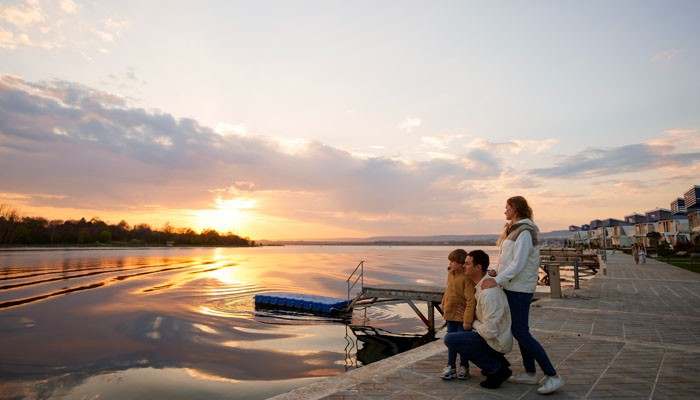
Zadar offers Roman ruins, seaside walks and two unusual modern attractions. The Sea Organ creates sounds through waves and underwater pipes, while the Greeting to the Sun uses solar-powered lights.
Zadar is an excellent base for visiting:
- Kornati National Park
- Dugi Otok
- Paklenica National Park
- Nin
- Pag Island
- Krka National Park
It often feels more relaxed than Dubrovnik or Split while still providing good transport connections.
6. Zagreb
Croatia’s capital deserves more than a quick airport stop. Zagreb has colorful markets, parks, museums and Austro-Hungarian architecture.
Popular places include:
- Ban Jelačić Square
- Dolac Market
- Upper Town
- St. Mark’s Church
- Museum of Broken Relationships
- Maksimir Park
Zagreb is particularly appealing in spring, autumn and during its winter Advent celebrations.
7. Istria
The Istrian Peninsula is one of the best areas for food, wine and slow travel. Coastal towns display strong Venetian influences, while inland villages sit above forests and vineyards.
Add these places to an Istria road trip:
- Rovinj
- Pula
- Poreč
- Motovun
- Grožnjan
- Cape Kamenjak
Local specialties include truffles, olive oil, seafood and Istrian wine.
8. Korčula and Vis
Korčula has a walled old town, vineyards and peaceful villages. Vis is farther from the mainland and has a slower atmosphere, hidden bays and strong fishing traditions.
These islands are good alternatives for travelers who want fewer crowds than they may find in central Hvar.
Seven-Day Croatia Itinerary
This route focuses on Dalmatia and works best between late spring and early autumn.
| Day | Destination | Suggested plan |
| 1 | Split | Explore Diocletian’s Palace, the Riva and Marjan |
| 2 | Split | Take a day trip to Krka or Trogir |
| 3 | Hvar | Travel by ferry and explore Hvar Town |
| 4 | Hvar | Visit beaches, Stari Grad or nearby islands |
| 5 | Korčula | Explore the old town and local vineyards |
| 6 | Dubrovnik | Walk through the Old City and visit Fort Lovrijenac |
| 7 | Dubrovnik | Walk the walls, visit Lokrum or take the cable car |
This itinerary should not be rushed further. Changing hotels every night can turn the holiday into a transport exercise.
Visitors with ten days can add Zadar, Plitvice Lakes or another night on an island. Those interested in Zagreb and Istria should consider a separate northern route instead of trying to cover the whole country in one week.
How to Get Around Croatia
Ferries
Ferries and high-speed catamarans connect coastal cities with many islands. Services are more frequent during summer and may be limited in winter.
Passenger tickets do not always guarantee space for a vehicle. Drivers should confirm whether reservations are available and arrive early at the port. Check live schedules directly with operators because sailing times can change. Jadrolinija reports operating hundreds of summer departures each day across its network.
Buses
Intercity buses connect Zagreb, Zadar, Split, Šibenik and Dubrovnik. They are useful for travelers who do not want to drive.
Allow extra time during the high season. Coastal traffic can become heavy, especially near Split and Dubrovnik.
Rental Cars
A car is useful for exploring Istria, small villages, national parks and less-connected beaches. It may be unnecessary in Dubrovnik or central Split, where parking is limited and expensive.
Before accepting a rental car:
- Photograph its existing damage.
- Understand the insurance excess.
- Confirm the fuel policy.
- Ask whether cross-border travel is allowed.
- Check ferry and island restrictions.
- Confirm whether an international driving permit is required.
Motorways generally have tolls. Local roads may be slower but often provide better views.
Trains
Trains can be useful around Zagreb and parts of inland Croatia. They are less practical for exploring the southern coast because the rail network does not connect every major seaside destination.
Estimated Croatia Travel Budget
Actual prices vary greatly by destination, month and booking date. The following ranges are planning estimates rather than fixed prices.
| Expense | Budget traveler | Mid-range traveler | Higher-end traveler |
| Accommodation per night | €30–€70 | €90–€180 | €220+ |
| Meals per day | €25–€45 | €50–€90 | €120+ |
| Local transport per day | €5–€20 | €20–€50 | €60+ |
| Activities per day | €10–€35 | €35–€80 | €100+ |
| Approximate daily total | €70–€150 | €180–€350 | €500+ |
Hostels, guesthouses and bakeries help control costs. Prices are usually highest in Dubrovnik, Hvar Town and central Split during July and August.
To save money:
- Travel in May, June, September or October.
- Stay a short walk outside the historic center.
- Compare ferries and buses before renting a car.
- Buy breakfast or lunch from a local bakery.
- Choose apartments with a small kitchen.
- Use free public beaches and walking routes.
- Avoid changing destinations every day.
What to Eat in Croatia

Croatian food changes from one region to another. Coastal cooking uses seafood, olive oil and simple herbs. Inland dishes may include meat, pastry, freshwater fish and slow-cooked stews.
Foods worth trying include:
- Peka: Meat or octopus slowly cooked under a metal lid
- Black risotto: A seafood risotto colored with cuttlefish ink
- Pašticada: Slow-cooked beef served with sauce and gnocchi
- Štrukli: Pastry filled with soft cheese
- Soparnik: Thin pie filled with Swiss chard
- Fritule: Small sweet fried dough balls
- Pag cheese: Firm sheep’s-milk cheese from Pag Island
- Istrian truffles: Served with pasta, eggs and other local dishes
Restaurants serving peka may require advance ordering because the dish takes several hours to prepare.
Entry Requirements and Practical Information
Croatia joined the Schengen Area in 2023. Many non-EU travelers can visit the Schengen Area for up to 90 days within a 180-day period, but visa requirements depend on nationality and travel history. Time spent in another Schengen country normally counts toward the same limit.
Before departure:
- Check your passport’s validity.
- Confirm whether you need a Schengen visa.
- Review official information about ETIAS and the Entry/Exit System.
- Purchase suitable travel insurance.
- Keep copies of important documents.
- Check airline and border rules shortly before traveling.
Do not rely on an old blog post for entry requirements. Government rules and launch dates for new European border systems can change.
Safety and Local Etiquette
Croatia is generally straightforward for tourists, but normal precautions remain important.
- Keep bags closed in busy streets, buses and ferry terminals.
- Never leave valuables visible inside a rental car.
- Carry water during summer walks.
- Check wildfire and severe-weather warnings.
- Wear water shoes on rocky beaches if needed.
- Do not jump from cliffs without checking the depth.
- Follow marked trails in national parks.
- Call 112 during a serious emergency.
Dress respectfully when entering churches. Avoid climbing on monuments, touching protected ruins or walking outside marked nature trails.
English is widely understood in major tourism areas. Learning simple Croatian words such as hvala (“thank you”) and molim (“please” or “you’re welcome”) is still appreciated.
Responsible Travel Tips
Large visitor numbers place pressure on historic centers, islands and natural areas. Responsible choices can improve the experience for residents and travelers.
- Visit popular attractions early or late in the day.
- Stay overnight instead of joining a rushed cruise excursion.
- Use marked trails and official swimming areas.
- Carry a reusable water bottle.
- Avoid touching marine animals.
- Support family-run restaurants and local producers.
- Respect quiet hours in residential streets.
- Do not leave rubbish on beaches or islands.
- Follow park rules even when other visitors do not.
Common Croatia Travel Mistakes
Trying to Visit Too Many Islands
Ferry routes do not always connect every island directly. A trip that looks short on a map may require returning to the mainland.
Assuming Every Beach Is Sandy
Many Croatian beaches are made of pebbles, rocks or concrete bathing platforms. Pack water shoes if you have sensitive feet.
Booking Ferries Too Late
Popular passenger and vehicle routes can fill during summer. Reserve early where booking is available.
Visiting Dubrovnik Only at Midday
Midday can bring strong heat and large tour groups. Early morning and evening visits are more comfortable.
Ignoring Travel Time
Coastal roads become busy during peak season. Wind, weather and port traffic may also affect ferries.
Treating Croatia as a Cheap Destination
Food, lodging and attractions in major coastal centers can cost as much as they do in other popular parts of Europe. Create a realistic budget before booking.
Conclusion
A successful Croatian holiday is less about visiting every famous attraction and more about choosing a sensible route. Combine one or two historic cities with an island, national park or rural area, and leave enough time to enjoy each destination.
This Croatia travel guide provides a strong starting point for planning a 2026 trip, but ferry timetables, attraction prices and entry requirements should be checked on official websites before departure. With careful timing and a realistic budget, Croatia can offer an impressive mix of history, food, nature and Adriatic coastlines in one journey.
Croatia Travel Guide FAQs
1. How many days are enough for Croatia?
Seven days are enough for one region, such as Split, two islands and Dubrovnik. Ten to fourteen days are better if you want to include Zagreb, Plitvice Lakes or Istria.
2. Is Croatia expensive in 2026?
Croatia can be moderately priced or expensive, depending on the season and destination. Dubrovnik, Hvar and Split cost more during peak summer. Inland towns and shoulder-season trips often provide better value.
3. What is the best month to visit Croatia?
June and September offer a useful balance of warm weather, active ferry routes and smaller crowds. May is excellent for cities and hiking, although sea temperatures may feel cool.
4. Do I need a car in Croatia?
You do not need a car for a route connecting major coastal cities and popular islands. A rental car is valuable for Istria, rural areas and national parks.
5. Can I drink tap water in Croatia?
Tap water is generally considered safe in most of Croatia. Local notices should always be followed, especially after storms or during temporary supply problems.
6. Is Dubrovnik or Split better for first-time visitors?
Dubrovnik is best for dramatic historic scenery and a compact short stay. Split offers more transport connections, local neighborhoods and easy access to several islands.
7. Which Croatian island is best?
Hvar suits nightlife and first-time island visitors. Brač is known for beaches and easy access from Split. Korčula offers history and wine, while Vis is better for a quieter escape.
