


Planning a trip to Costa Rica can feel exciting and a little overwhelming at the same time. This small Central American country packs rainforests, volcanoes, beaches, and cloud forests into a space smaller than West Virginia. That’s exactly why you need a good Costa Rica travel guide before you land not just a list of attractions, but a real plan covering weather, costs, entry rules, and which regions actually fit your interests.
This costa rica travel guide covers everything a first-time visitor needs: when to go, how to get in, what things cost, where to stay, and which regions actually fit your interests. Whether you want to zip-line through the jungle in Monteverde, watch sea turtles nest in Tortuguero, or simply relax on a beach in Guanacaste, this guide breaks it down in plain, simple language so you can plan with confidence.
We’ve pulled together current entry rules, weather patterns, and real cost data so you’re not guessing. By the end, you’ll know exactly what to pack, how much to budget, and which parts of the country match the trip you’re dreaming of. Let’s get into it.
Why Costa Rica Is Worth the Trip
Costa Rica is famous for one phrase: pura vida, which means “pure life.” Locals use it as a greeting, a goodbye, and a way of life. The country abolished its army in 1948 and instead puts its money into education and nature protection. That choice shaped the Costa Rica people know today peaceful, welcoming, and deeply connected to the outdoors.
The country protects about 25% of its land as national parks and reserves, and it holds nearly 5% of the world’s biodiversity despite covering less than 0.03% of Earth’s surface. You can spot sloths, toucans, howler monkeys, and sea turtles, often within the same week. That’s a big reason this Costa Rica travel guide keeps coming back to nature: it’s the main event here, not a side trip.
Costa Rica Entry Requirements: What You Need to Know
Getting into Costa Rica is fairly simple for most travelers. Here’s what you need:
- Passport: Must be valid for your entire stay. Many travelers still carry a passport valid for six months beyond arrival, just to be safe.
- Visa: Not required for visitors from the US, Canada, UK, most EU countries, Australia, and many other nations for short tourist stays. A visa isn’t required for stays under 180 days, but a return ticket is required.
- Length of stay: Immigration officers decide your exact stay at the airport, often somewhere between 90 and 180 days.
- Proof of onward travel: You’ll need a return or connecting flight booked before your trip.
- Yellow fever vaccine: Only required if you’re arriving from certain countries in South America or Africa.
- Departure tax: A $29 USD exit fee applies when leaving Costa Rica, though it’s usually already built into your airline ticket.
Rules can shift, so always double-check your specific nationality’s requirements on Costa Rica’s official immigration site or your home country’s travel advisory page before booking.
Best Time to Visit Costa Rica
Costa Rica only really has two seasons, and picking the right one matters more than picking the right month.
Dry season (December to April)
This is peak season. The dry season is characterized by clear blue skies, warm temperatures, and low humidity, making it an ideal time to explore the country’s natural wonders. Expect sunny days, busier beaches, and higher prices, especially around Christmas and Easter.
Green season (May to November)
Don’t let the word “rainy” scare you off. It doesn’t rain all day during the rainy season; instead, you’ll experience daily showers between 2 and 4 p.m. Mornings are usually clear, which leaves plenty of time for hiking, wildlife tours, and beach days before the afternoon rain rolls in. Hotels often slash their rates by 30% to 50% during this low season, and the crowds thin out significantly.
| Season | Months | Weather | Best For | Crowd Level |
| Dry (High) | Dec – Apr | Sunny, little rain | Beaches, hiking, wildlife on land | High, book early |
| Green (Low) | May – Nov | Sunny mornings, rain in afternoons | Lush scenery, lower prices, fewer tourists | Low |
| Green Break | Jul – Aug | Short dry spell (“veranillo”) | Surfing, whale watching, sea turtles | Medium |
How Much Does a Trip to Costa Rica Cost?
Costa Rica is not the cheapest country in Central America, but it can fit almost any budget if you plan ahead. The currency is the Costa Rican colón, though US dollars are widely accepted, especially in tourist areas.
Here’s a realistic daily budget breakdown per person, covering food, lodging, local transport, and activities:
| Travel Style | Daily Budget (USD) | What You Get |
| Backpacker | $40 – $60 | Hostel dorms, local “soda” restaurants, public buses |
| Mid-Range | $100 – $150 | Private hotel rooms, mix of restaurants, some guided tours |
| Luxury | $250+ | Resorts or eco-lodges, private transfers, fine dining |
A few extra costs to plan for:
- National park entrance fees usually run $10 to $20 per person.
- Guided tours like zip-lining or white-water rafting often cost $70 to $150 per person.
- Restaurants automatically add a 10% service charge plus 13% tax to your bill, so tipping extra isn’t required, though it’s appreciated for great service.
- Renting a car during dry season high months should be booked early, since prices spike fast.
Top Destinations to Include in Your Costa Rica Travel Guide
Costa Rica is small, but each region feels like a different country. Here are the places that consistently earn a spot on every good itinerary.
Arenal Volcano and La Fortuna
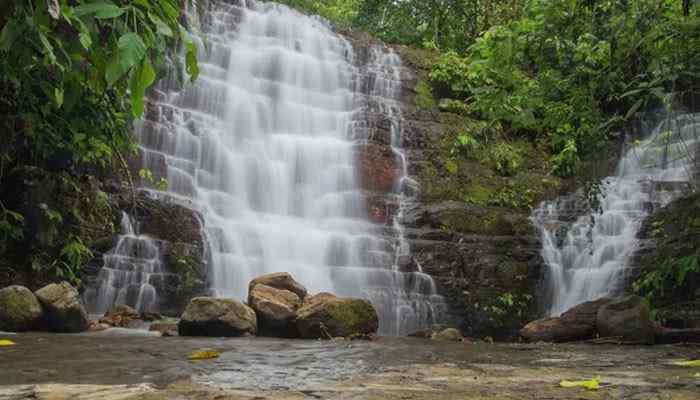
Home to a near-perfect cone-shaped volcano, hot springs, waterfalls, and hanging bridge walks through the rainforest canopy. Great for adventure lovers and first-time visitors.
Monteverde Cloud Forest
A cooler, misty region famous for zip-lining, hanging bridges, and rare wildlife like the resplendent quetzal. This is one of the most biodiverse cloud forests on Earth.
Manuel Antonio National Park
A compact but stunning park where rainforest meets white-sand beach. You can spot sloths and monkeys on a short trail, then jump in the ocean minutes later.
Guanacaste (Tamarindo, Liberia)
The sunniest, driest part of the country. Known for beach resorts, surfing, and easy international flight access through Liberia’s airport.
Osa Peninsula
Remote and wild, this region is often called one of the most biologically intense places on the planet. Ideal for serious wildlife watchers and travelers who want to get off the beaten path.
Tortuguero National Park
Accessible only by boat or small plane, this Caribbean-side park is famous for sea turtle nesting season and a maze of jungle canals.
San José
The capital city isn’t the main attraction, but it’s a useful hub for museums, local markets, and connecting flights to other regions.
Getting Around Costa Rica
Transportation choices shape your whole trip, so it’s worth thinking this through early.
- Rental car: Best for flexibility, especially if you’re visiting multiple regions. Roads can be rough outside main highways, so a 4×4 is often recommended in rainy season.
- Domestic flights: Fast and affordable way to skip long drives, especially useful for reaching the Osa Peninsula or Tortuguero.
- Shuttle vans: Popular with tourists. Comfortable, door-to-door, and easy to book in advance.
- Public buses: The cheapest option and surprisingly reliable on main routes, though schedules can be limited in rural areas.
- Private driver: Convenient for families or travelers who want door-to-door service without driving themselves.
Safety Tips Every Traveler Should Know
Costa Rica is one of the safer countries in Central America, but that doesn’t mean you should skip basic precautions.
- Swim only at beaches with lifeguards or clear safety flags. Rip tides kill dozens of U.S. citizens every year in Costa Rica.
- Keep valuables out of sight in rental cars, since break-ins at trailheads and parking areas do happen.
- Carry a copy of your passport and keep the original somewhere secure.
- Costa Rica sits in an active earthquake and volcanic zone, so it’s worth knowing basic safety steps for both.
- Use registered tour operators for activities like white-water rafting, zip-lining, and volcano hikes.
- Stick to bottled or filtered water in more remote areas, even though tap water in most cities is safe.
What to Pack for Costa Rica

Because the climate stays warm and humid year-round, packing light and smart matters more than packing a lot.
- Lightweight, quick-dry clothing
- A rain jacket, even in dry season
- Sturdy hiking shoes and sandals
- Reef-safe sunscreen and bug spray
- A dry bag for boat trips, waterfalls, and rafting
- A reusable water bottle
- A light sweater for cooler cloud forest evenings
Sample 7-Day Costa Rica Itinerary
If you’re not sure how to string destinations together, here’s a simple starting point many first-time visitors follow:
- Days 1–2: Arrive in San José, then travel to La Fortuna for Arenal Volcano, hot springs, and waterfalls.
- Days 3–4: Head to Monteverde for cloud forest hikes and zip-lining.
- Days 5–7: Finish in Manuel Antonio or Guanacaste for beach time, wildlife spotting, and relaxation before flying home.
This route balances adventure, nature, and beach time without too much driving each day.
Conclusion
This costa rica travel guide is meant to take the guesswork out of planning, from entry requirements to daily budgets to picking the right region for your trip. Costa Rica isn’t the kind of place you rush through with a checklist. It’s a country that rewards travelers who slow down enough to notice a sloth in the canopy, a howler monkey call at dawn, or the way the light changes over the Pacific right before sunset. The details in this guide visa rules, seasons, costs, safety tips exist so you can spend less time worrying about logistics and more time actually experiencing the country.
Every traveler’s version of Costa Rica looks a little different. Some people come for the surf towns of Guanacaste, others for the misty trails of Monteverde, and others just want a week of doing nothing on a quiet beach with good coffee nearby. That flexibility is part of what makes this country special. You can build a trip around adventure, relaxation, wildlife, or a mix of all three, and the compact size of the country means you don’t have to sacrifice much to fit it all in.
Whatever your budget or travel style, planning ahead pays off here more than in most destinations. Book accommodations early during dry season, pack for both sun and sudden rain, and stay open to the unexpected moments that don’t make it into any itinerary. That’s usually where the best stories come from. With the right prep, Costa Rica delivers on every promise its reputation makes and this guide should leave you ready to book the trip with confidence.
Costa Rica Travel Guide FAQs
1. Is Costa Rica expensive to visit?
It’s pricier than most of Central America, but budget travelers can still get by on $40 to $60 a day, while mid-range travelers should plan for $100 to $150 a day.
2. What language do they speak in Costa Rica?
Spanish is the official language, though English is widely spoken in tourist areas, hotels, and tour companies.
3. Do I need a visa to visit Costa Rica?
Most travelers from the US, Canada, UK, and EU don’t need a visa for short tourist stays, but you do need a valid passport and proof of onward travel.
4. What’s the best month to visit Costa Rica?
January through April offers the most reliable sunny weather, while May, June, and November offer lower prices and fewer crowds with only short afternoon rain showers.
5. Is Costa Rica safe for tourists?
Yes, it’s considered one of the safer countries in the region, though normal travel precautions around theft, ocean currents, and driving still apply.
