


The Virgin Islands are a group of Caribbean islands known for clear water, green hills, beaches, and lively local culture. But there is one detail every traveler should understand before booking: the islands are divided between the U.S. Virgin Islands (USVI) and the British Virgin Islands (BVI). They are close enough to visit on one trip, yet they have different governments and entry rules.
If you want a beach vacation with easy access from the United States, St. Thomas, St. John, and St. Croix are the main U.S. Virgin Islands to explore. If sailing, smaller islands, and boat trips are your priority, look at Tortola, Virgin Gorda, Jost Van Dyke, and Anegada in the British Virgin Islands. Each has a different feel, so the best choice depends on how you like to travel.
This 2026 guide explains where the Virgin Islands are, how the two territories differ, what to do on each major island, and how to plan a practical trip. It also covers passports, ferries, weather, and ways to enjoy the islands while respecting the people and natural places that make them special.
Where Are the Virgin Islands?
The Virgin Islands lie in the northeastern Caribbean, east of Puerto Rico. The name describes an island group, not one single destination. Some islands belong to the United States as an unincorporated territory; others form the British Virgin Islands, a British Overseas Territory. That border matters when you travel between them.
The three best-known U.S. islands are St. Thomas, St. John, and St. Croix. The main British islands visitors consider are Tortola, Virgin Gorda, Jost Van Dyke, and Anegada. There are also many smaller islands and cays.
| Destination | Best starting point for | What stands out |
| St. Thomas, USVI | First-time visitors who want convenient flights and a range of places to stay | Beaches, Charlotte Amalie, and access to St. John |
| St. John, USVI | Hikers and beach lovers | Virgin Islands National Park and quiet coves |
| St. Croix, USVI | Travelers who want history, food, and a longer island stay | Christiansted, Frederiksted, and Buck Island |
| Tortola, BVI | Visitors starting a BVI sailing trip | The BVI’s largest island and a major travel hub |
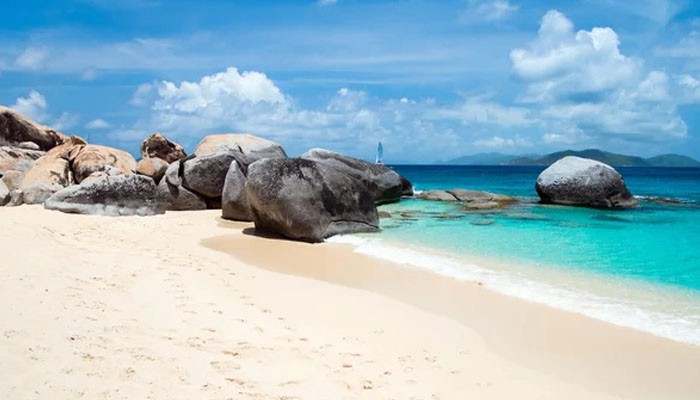
| Virgin Gorda, BVI | Visitors seeking dramatic coastal scenery | The Baths and its giant seaside boulders |
| Jost Van Dyke, BVI | Relaxed boat-based visits | Small-island beaches and beach bars |
| Anegada, BVI | Travelers who want a quieter, more remote stop | Flat coral terrain, reefs, and broad beaches |
The “best for” descriptions are planning suggestions, based on each island’s attractions and transport role.
U.S. Virgin Islands vs. British Virgin Islands
For many travelers, the biggest choice is whether to stay in the USVI, the BVI, or both.
The U.S. Virgin Islands can be simpler for U.S. citizens traveling from the U.S. mainland or Puerto Rico. A passport is not required for that trip, although the USVI tourism department says a passport remains the best form of identification. The territory uses the U.S. dollar.
The British Virgin Islands are a separate destination. Crossing from the USVI to the BVI is an international border crossing, even when the ferry ride feels short. U.S. citizens need a valid passport to enter the BVI. Entry requirements for other nationalities vary, so check them before paying for a ferry or charter. The BVI also requires travelers to complete an online embarkation card.
A simple way to choose:
- Pick St. Thomas if you want an accessible first base with beaches and services.
- Pick St. John if you want park trails, snorkeling, and a slower pace.
- Pick St. Croix if you want to spend more time with the island’s history and communities.
- Pick the BVI if boats and visits to several smaller islands are central to your trip.
- Combine the territories only after checking passports, ferry times, and border procedures.
St. Thomas: A Convenient First Stop
St. Thomas is a useful base for a first Virgin Islands vacation. Many visitors arrive through its airport, spend time in or near Charlotte Amalie, and take day trips or a ferry to St. John. It offers a broad choice of beaches, boat outings, shops, and accommodations. The USVI tourism department also provides current flight and transport planning information for the island.
A full day on St. Thomas does not need to be packed. You might visit a beach in the morning, have lunch at a locally owned restaurant, then explore Charlotte Amalie later in the day. If you are planning a boat outing, ask where it departs and how much time you need to get there. Roads can be steep and winding.
St. Thomas also makes sense if your group wants different activities. One person may want to snorkel, while another would rather take a sightseeing drive or browse the town. Keeping a flexible afternoon often works better than booking every hour.
St. John: Beaches, Trails, and National Park Land
St. John has no airport. Most visitors reach it by ferry from St. Thomas, arriving at Cruz Bay. Check the ferry operator’s latest timetable before planning a same-day connection from a flight.
Much of the visitor experience centers on Virgin Islands National Park. Its beaches, trails, historic sites, and coastal waters give travelers more to do than spend a day on the sand. Popular stops include Trunk Bay, Cinnamon Bay, and the Annaberg area. The National Park Service advises visitors not to touch coral or sea turtles.
There is no general entrance fee for Virgin Islands National Park, but Trunk Bay has a separate day-use fee. Check the National Park Service’s current fee page before you go. Arriving early can also help with parking at busy beaches and trailheads.
St. John is a strong choice if you enjoy simple days outdoors. A good plan might pair one beach with a short walk or historic stop. Bring drinking water, wear suitable shoes for trails, and leave enough daylight for the return journey.
St. Croix: History, Local Life, and Marine Adventures
St. Croix rewards visitors who give it more than a quick stop. Its towns, coastline, food, and historic places offer several different ways to explore. Christiansted is known for its harborfront and historic district, while Frederiksted has walkable streets and a different west-end setting.
One well-known water trip is Buck Island Reef National Monument, reached by boat from St. Croix. Visitors should book with an appropriate operator and follow the monument’s rules for protected areas. For a land-based day, consider exploring a historic site, visiting a local business, and stopping at a beach rather than trying to circle the whole island in a rush.
St. Croix is also a place to look beyond a beach-only itinerary. Its historic buildings and cultural sites can open a fuller discussion of Danish colonial rule, forced labor, resistance, and the lives of Virgin Islanders today. A guide or museum visit can add context that a quick photo stop cannot provide.
Tortola: A Base for Exploring the British Virgin Islands
Tortola is the BVI’s largest island and a common starting point for a British Virgin Islands trip. Travelers use it as a base for stays on land or for trips by boat to nearby islands. The BVI tourism board describes Tortola as the most likely starting point for many visitors.
If you are staying on Tortola, leave room to explore the island itself. A sailing holiday can make it tempting to treat Tortola only as a departure point, but a day on shore helps you get a better sense of the destination. Confirm port locations carefully: “Tortola” on a booking may refer to a different arrival or departure point than you expect.
The BVI has air and sea arrival options. Routes and schedules can change, so build your trip around confirmed connections rather than an old ferry timetable in a blog post. This is especially important if you are connecting to an international flight on the same day.
Virgin Gorda: The Baths and More
Virgin Gorda is best known for The Baths, where large granite boulders create a striking coastal landscape. It is one of the BVI’s signature attractions, but it should not be the only reason you consider the island. Give yourself time to see more than one stop, and check conditions and access information before traveling.
A visit to The Baths may involve walking over uneven surfaces and moving through narrow spaces. Wear shoes with a reliable grip, carry only what you need, and allow extra time if you are visiting with children or anyone who needs a slower pace. If your schedule is tight, choose an organized excursion that clearly states its transport and return arrangements.
Virgin Gorda can work as a day trip, but staying longer gives you a less hurried experience. Compare ferry and boat connections before deciding where to sleep.
Jost Van Dyke and Anegada: Two Very Different BVI Stops
Jost Van Dyke is small and often visited by boat. Its relaxed beach scene appeals to travelers who want a slower day near the water. Even if you are visiting briefly, remember that this is a lived-in island, not simply a stop on a sailing route. Support local businesses and follow the rules at beaches and landing points.
Anegada looks different from many other Virgin Islands. It is low and relatively flat, with coral and limestone terrain, while most of the region’s larger islands have a more mountainous appearance. Its reefs and beaches draw visitors who want a quieter island experience. Because it is farther from many common BVI stops, check transport and weather conditions closely when planning an overnight visit or day trip.
You do not need to see every island on one vacation. If you have only four or five days, two well-chosen bases may be more enjoyable than a series of rushed checkouts and boat connections.
Best Time to Visit the Virgin Islands
The Virgin Islands have warm weather throughout the year, but the experience changes by season. Many visitors prefer the winter and spring months for a beach-focused holiday. Those dates can also be popular, so book flights and lodging early if you have fixed travel days. The USVI tourism department describes year-round warm weather and advises flexible plans for fall trips because of storm potential.
The Atlantic hurricane season runs from June 1 through November 30. That does not mean a storm will affect your trip. It means you should watch forecasts, read cancellation terms, and keep a backup plan, particularly if your visit relies on several flights or ferries.
| Travel period | Why consider it | What to plan for |
| Winter to early spring | Popular beach-weather travel period | Reserve lodging and tours ahead |
| Late spring | A useful option if your dates are flexible | Check seasonal business and transport hours |
| Summer to fall | Can suit flexible travelers | Monitor weather and review change policies |
| Any month | Warm weather and outdoor activities are possible | Check daily sea and weather conditions |
There is no single “perfect” month for everyone. A sailor may care most about sea conditions, while a family may care more about school dates and simple flight connections.
How to Get Around the Virgin Islands
Getting between islands takes planning. St. John is reached by boat from St. Thomas, while the BVI has ferry routes and boat services linking several islands and the USVI. A ferry schedule is a starting point, not a promise that every connection will fit your arrival time. Check directly with the operator shortly before travel.
On the U.S. Virgin Islands, vehicles drive on the left. The USVI tourism department says valid U.S. or foreign driver’s licenses are accepted for a limited visitor period, but rental companies can set their own conditions. If you are hiring a car, check the rental agreement, insurance, parking arrangements, and whether taking the vehicle on a ferry is allowed.
Allow more time than a map suggests for a day with several stops. Hills, narrow roads, ferry check-in, and time spent finding parking can all slow you down. If driving on the left feels stressful, consider a taxi or a guided trip for part of your stay.
Passports and Entry Rules in 2026
Entry rules depend on your citizenship, route, and destination. Check them again close to departure.
- U.S. citizen visiting the USVI from the U.S. mainland or Puerto Rico: A passport is not required, but carrying one can simplify identification. If you do not have one, check which documents you will need when departing the territory.
- Non-U.S. citizen visiting the USVI: Carry your passport and verify the U.S. entry or re-entry rules that apply to your nationality and immigration status. Do not assume that the rules for U.S. citizens apply to you.
- U.S. citizen visiting the BVI: A valid U.S. passport is required for entry.
- Traveler crossing between the USVI and BVI: Prepare for an international border crossing and check the entry requirements on both sides. The BVI’s online embarkation card requirement should also be part of your pre-trip checklist.
For travelers departing from India, the USVI and BVI should be researched as separate destinations. Check the rules for an Indian passport with the relevant authorities, along with transit requirements for every country on your flight route. A connection through the United States can create its own document requirements even when your final stop is the BVI.
What to Do Beyond the Beach
A good Virgin Islands trip can include history, food, hiking, and time with local guides alongside the sea.
- Explore history with care: Visit places such as Christiansted National Historic Site on St. Croix or the historic Annaberg area on St. John. Read about the people who lived and worked there, including the history of enslavement and resistance. These places are more meaningful when treated as part of living island history rather than as backdrops for photographs.
- Spend money locally: Consider a locally run restaurant, guide, shop, or boat operator. Ask questions and follow their advice about access, conditions, and respectful behavior. A local guide may also help you understand the island in ways a short list of attractions cannot.
- Get on the water responsibly: Snorkeling is a highlight for many visitors, but reef areas are fragile. Give coral and marine animals space, avoid standing on the reef, and follow posted park and operator rules. The National Park Service specifically tells visitors not to touch coral or sea turtles.
- Leave an open day: Wind, rain, or a changed boat schedule may shift your plans. An open day lets you move an activity without losing the entire experience.
A Practical Five-Day Virgin Islands Itinerary
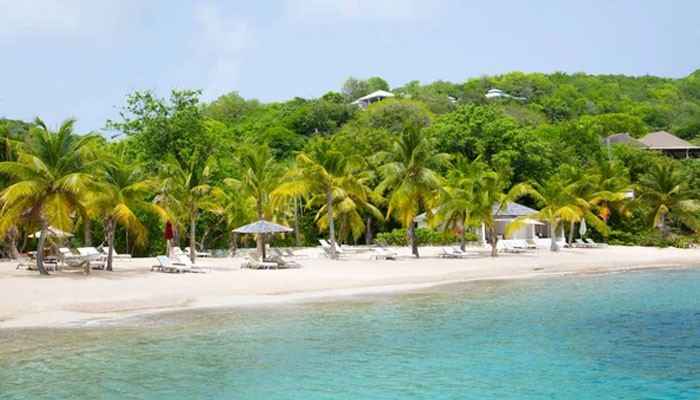
For a first visit, this USVI-focused example keeps travel fairly simple:
1. Day 1 – Arrive on St. Thomas: Settle in, eat nearby, and avoid scheduling a tight boat connection after your flight.
2. Day 2 – Explore St. Thomas: Pair a beach visit with time in Charlotte Amalie or another area that interests you.
3. Day 3 – Visit St. John: Take the ferry, choose one or two national park stops, and check your return time.
4. Day 4 – Spend a slower day: Book a suitable boat outing, return to a favorite beach, or visit local shops and restaurants.
5. Day 5 – Depart: Leave enough time for transport and airport procedures.
If St. Croix is your main interest, give it several nights instead of trying to fit it into a hurried day trip. If your goal is the BVI, build a separate itinerary around Tortola and a small number of nearby islands. Both approaches give you more time to enjoy where you are.
What to Pack
Pack for sun, water, and changes in plans:
- Lightweight clothes and a hat
- Comfortable shoes for uneven streets or trails
- Swimwear and a dry bag for boat outings
- Drinking-water bottle
- Sunscreen suitable for your activities and current local rules
- Copies of travel documents stored securely
- Any medication you need during travel
- A light rain layer
- Some cash alongside a payment card
Check your airline’s baggage rules if you plan to bring snorkeling equipment. For a boat day, ask the operator what it supplies before buying or packing extra gear.
Common Planning Mistakes to Avoid
- Treating the USVI and BVI as one country: They have different entry procedures. Confirm the rules for each stop on your route.
- Planning too many islands: Every move involves packing, transport, and check-in. Choose fewer stops if your vacation is short.
- Relying on an old ferry timetable: Check the operator’s current schedule and allow time for delays.
- Assuming a national park visit is entirely free: Virgin Islands National Park has no general entrance fee, but Trunk Bay has a separate fee.
- Ignoring the weather when booking boats: Leave room to change an outing and understand the operator’s cancellation terms.
- Seeing only the beaches: The Virgin Islands also have communities, food traditions, and complex histories. Make time to learn about them.
Conclusion
The Virgin Islands offer several kinds of trips within one island group. St. Thomas is a convenient introduction, St. John invites you outdoors, and St. Croix gives you time to explore history and island life. Across the border, the British Virgin Islands offer a different journey built around Tortola, smaller islands, and travel by boat.
Choose the places that fit your interests, confirm the entry rules for your exact route, and leave space in your schedule for the islands themselves. A thoughtful trip will give you more than a checklist of beaches.
Virgin Islands FAQs
1. Are the Virgin Islands part of the United States?
Some are. St. Thomas, St. John, and St. Croix are in the U.S. Virgin Islands, a U.S. territory. Tortola, Virgin Gorda, Jost Van Dyke, and Anegada are in the British Virgin Islands, a British Overseas Territory.
2. Do you need a passport for the Virgin Islands?
It depends on which territory you visit and your citizenship. U.S. citizens traveling from the U.S. mainland or Puerto Rico to the USVI do not need a passport, though it is useful for identification. U.S. citizens entering the BVI need a valid passport. Other travelers should check the rules that apply to their nationality and route.
3. Which Virgin Island is best for a first visit?
St. Thomas is a practical first base if you want flight access, a range of services, and the option of visiting St. John. Choose St. John if parkland and quieter outdoor days matter most; choose St. Croix if you want to spend more time exploring towns, heritage, and the wider island. These are travel suggestions, not a ranking of the islands.
4. Can you visit the U.S. and British Virgin Islands on one trip?
Yes, if you meet the entry requirements and find suitable transport. Ferries connect points in the two territories, but the trip involves border procedures. Check schedules, passports, and any required travel forms before booking.
5. Is St. John a good day trip from St. Thomas?
Yes. St. John is reached by ferry from St. Thomas, and its beaches and national park sites make it a popular day trip. Check the current ferry schedule and pick a manageable number of stops.
6. When is hurricane season in the Virgin Islands?
The Atlantic hurricane season runs June 1 to November 30. If you travel during those months, follow forecasts and review your booking and travel-insurance terms.
