

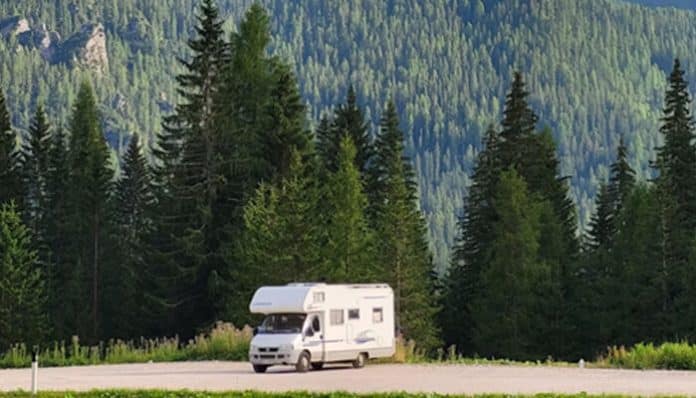

Caravanning is all about the thrill of discovery and the joy of hitting the road with complete freedom Caravan Adventure. Whether you’re winding through the UK’s rolling hills or heading a little further off the beaten track, there’s nothing quite like the satisfaction of making the journey your own.
But let’s be honest, a memorable trip doesn’t just happen by accident. It starts with careful planning. That’s where a practical checklist comes in handy—it’s your go-to support, helping you keep track of everything from vehicle checks and essential paperwork to must-have camping gear and safety bits.
Having a plan means you’re ready for whatever the road throws at you, so you can focus on what really matters: enjoying a smooth, stress-free adventure from start to finish.
Pre-Trip Preparations
Before you get swept up in travel excitement, a quick but thorough check of both your towing vehicle and caravan will make all the difference once you’re on the road. Start with the tyres—make sure they have the right pressure and there’s plenty of tread on both the vehicle and the caravan. Spare tyres deserve a glance too, so you’re not caught out in the middle of nowhere with a flat.
Next up, check those fluid levels. Top up oil, coolant, brake fluid and windscreen washer fluid so you’re set for any weather or road conditions. Don’t forget the lights and indicators on both the car and caravan. Working lights aren’t just about visibility—they help you stay on the right side of the law, especially after sundown or in murky weather.
Dig out your documents early. Double-check your driving licence, and keep insurance papers for both vehicle and caravan handy—nothing ruins a holiday faster than paperwork hassles. It’s also worth storing your roadside assistance details somewhere you can find them in a rush. These steps might feel simple, but ticking them off now means much less stress later, and you’ll be ready for whatever your adventure brings.
Planning Your Route
Getting your route sorted starts with a good mix of modern tech and old-school tactics. Double-check that your GPS is loaded with the latest updates, as this can steer you away from any surprise traffic jams or unexpected road blocks.
That said, technology has a habit of letting us down at the worst possible moment. It’s always worth having a paper map on hand, especially if you’re roaming into spots where your phone or satnav might lose signal.
Breaks matter, too. If you’re behind the wheel for hours, planning regular stops isn’t just sensible—your legs (and your passengers) will thank you. Every couple of hours, pull up for a breather, grab a snack, and freshen up. Who knows, you might stumble upon a cracking local café or a hidden gem of a walking trail.
Sorting your campsite ahead of time is another smart move. Popular sites can book up quickly, especially in summer, and chasing a pitch at sunset is no one’s idea of fun. Booking early means a guaranteed spot and can often be easier on the wallet than last-minute choices.
A bit of planning, a pinch of flexibility, and you’re well on your way to a smoother, much more enjoyable caravan adventure.
Packing Essentials for the Caravan
Kitchen Necessities
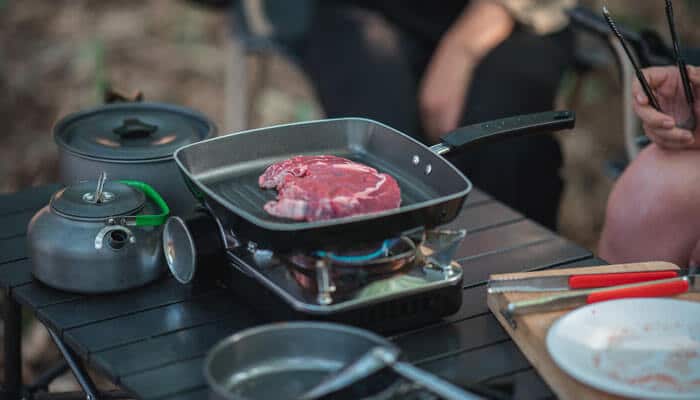
To keep your caravan adventures running smoothly, make sure you’ve sorted out the kitchen setup. A compact portable stove or grill is your best mate when it comes to rustling up anything from a quick fry-up to a decent dinner, wherever you’ve pulled in for the night. These gadgets work without electricity, so you won’t have to worry if you’re somewhere with no access to plug sockets or you fancy a bit of wild camping.
Having a good stash of non-perishable food means you’ll never be caught out. Tins of beans, pasta, rice, or those handy ready meals that don’t need chilling are all reliable choices. Toss in a few snacks like nuts and energy bars for those times when you just need something easy on the go.
Don’t forget the tools of the trade. Pack a couple of pots and pans, sharp knives, a sturdy chopping board, and your trusty spatulas, spoons, and tongs. Throw in a manual tin opener, bottle opener, and those measuring cups you always end up needing. With this lot, you’ll have everything you need to knock together proper meals and keep everyone happy on the trip.
Sleeping Arrangements
Getting a good night’s sleep in your caravan can be the difference between waking up raring to go or dragging yourself to the kettle. The first step: decent bedding. Pick sleeping bags or duvets that’ll keep you comfortable whether it turns chilly or unexpectedly warm. A supportive pillow goes a long way—try a memory foam one or an adaptable travel pillow if you’re fussy about neck support.
If your caravan has room for it, an air mattress or memory foam topper can make your bed feel a lot more like home. Trust us, your back will thank you after a day out exploring.
Don’t overlook privacy and blocking out light. Curtains or blackout blinds are game-changers for shutting out everything from annoying lamplight to that crack-of-dawn sunrise. They also mean you can relax without worrying about curious glances from passers-by. Quick-fit options attached with Velcro or magnets make life easier, especially if your sleeping spot doubles as the daytime living area.
Safety and Emergency Items
Packing a proper first aid kit, fire extinguisher, and tool kit for your caravan really isn’t optional—it’s just common sense.
Your first aid kit should be well stocked: plasters, antiseptic wipes, gauze pads, and medical tape are all musts. Pop in some painkillers, antihistamines, and any medication you or your travel crew need on a daily basis. The idea is simple—if someone gets a scrape or headache, you can handle it there and then, so little problems don’t turn into major headaches while you’re away.
A fire extinguisher is a must, given how small a caravan can feel once you’re cooking up dinner in a confined space. Make sure you have one that covers electrical fires and kitchen mishaps, and try to give it a quick check every so often so you’re not caught off guard. Learning how to use it is just as important—no one wants to be flipping through instructions while smoke is billowing!
A small tool kit is a trip-saver for those little things that (inevitably) go wonky—think wobbly handles or a cupboard door that just won’t stay shut. A handful of basics like screwdrivers, pliers, a hammer, and a few spanners can help you fix up furniture, fittings, or make quick tweaks to your caravan itself. With these essentials on board, you’re much better equipped to deal with mishaps and keep adventuring without unnecessary interruptions.
Driving and On-the-Road Tips
Towing a caravan changes the way your vehicle responds, so slowing down a bit is smart. The extra weight and size mean you’ll need to drive more cautiously, giving yourself more time to react to anything unexpected. Aim to keep your speed lower than usual—no more than 60 mph on the motorway and 50 mph on single carriageways in the UK, but always check the signs and be sensible if it’s wet or visibility is poor.
Stopping distances get much longer when you’re towing, so leave yourself at least double the normal gap to the car in front. If it’s raining or the weather is bad, play it safe and give yourself even more room.
Turning corners is different with a caravan in tow. You’ll need to swing a bit wider so your back end doesn’t hit kerbs or lampposts. If you’re new to towing, practising turns somewhere quiet is a great idea before you hit the open road.
Reversing isn’t most people’s favourite part, and adding a caravan certainly doesn’t make it easier. If someone can stand behind and guide you with hand signals, take the help—extra eyes are always handy. You’ll build confidence quickly if you get a bit of reversing practice in before your trip.
Being able to control your speed on downhill stretches is important to avoid burning out your brakes. Make sure your vehicle and caravan brakes are checked and in good shape and use a lower gear going downhill so you don’t have to brake constantly.
With a bit of preparation and practice, you’ll find that towing gets easier each time—leaving you to enjoy all the best bits of caravanning, rather than stressing about the drive.
Setting Up Camp
Reaching your campsite after a long journey always feels rewarding, but a bit of order saves plenty of hassle. Start by checking the pitch—watch out for things like bumpy or soft patches that could tip your caravan, plus any pesky low branches waiting to scrape a roof.
Once you’re happy, pop out the levelling blocks and get your caravan nice and steady. A level setup is more than a comfort issue—it helps everything on board run properly, from the fridge to the water system.
Next, hook up to water and electricity if they’re there for you. If the site offers waste disposal, connect up with care so you don’t land yourself with a smelly headache later.
To keep life smooth during your stay, tick off a handful of regular jobs: empty waste tanks before they get too full, refill your water as it drops, and keep the inside tidy. Cleanliness isn’t just about comfort; it’s the simplest way to stay healthy and keep wildlife at bay.
Take care of these basics at the start and you’ll find you have more time for the good bits—like relaxing, exploring, or maybe just putting your feet up with a well-earned cuppa.
Post-Trip Checklist
After a caravan trip, giving your van a good clean really pays off in the long run. Start with the inside: wipe down surfaces, give the floor a quick vacuum, and clean out any appliances. Make sure there’s no leftover food lurking in the fridge or oven.
Change the bedding and check it for any rips or stains. On the outside, wash off all the dust, grime, and insect splatters from your travels. Take a bit of time to clean windows and have a peek at the seals to make sure nothing’s cracked or leaking.
While you’re at it, remember that keeping your caravan air conditioner in good condition is essential for a comfortable journey in all kinds of weather.
Once it’s sparkling, it’s time to get your caravan ready for its next rest. Drain the water tanks and pipes to avoid any issues with mould or freezing. Turn off and disconnect any gas, and unplug all electrical leads. If you’ve got a battery on board, pop it out and store it somewhere dry and cool to help it last longer.
Check over the tyres and look for any signs of wear or damage. A quick spot of maintenance now can save a lot of hassle next time you’re excited to set off.
Finish by locking up all doors and windows, then cover your caravan with something breathable to protect it from bad weather and nosy wildlife. Looking after it now is a simple way to keep it in tip-top shape and ready for your next adventure.