

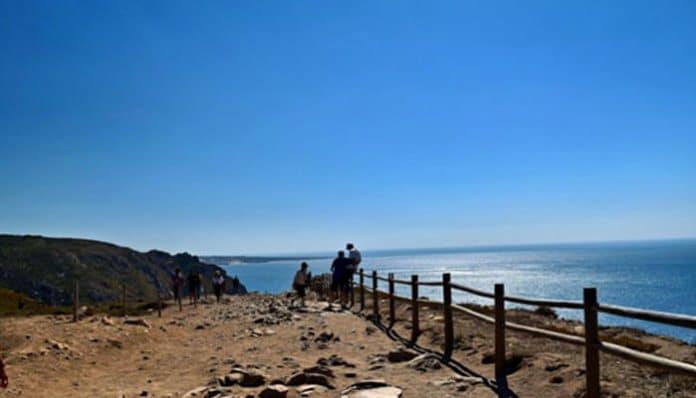

Some countries are made for walking. Portugal is made for walking and eating. Its trails connect cliff-top coves, river valleys, and hilltop villages, and almost every one ends at a table worth sitting down for. For travelers who love both a good hike and a great meal, few places deliver as well.
That combination is the whole pitch of a walking food trip. A specialist operator offering hiking all around portugal handles the routes, the stays, and the logistics so you can focus on the views and the food. This guide covers where to go, which trails feed you best, and how to plan a trip built around both.
What Makes Portugal a Hiking Destination?
Portugal squeezes huge variety into a small country. You can walk a wild coastline one day and a terraced vineyard the next, without long transfers between them.
The terrain suits almost everyone. The southwest coast offers flat, dramatic clifftop paths. The Douro Valley climbs through vineyards for those who want a challenge. The interior hides quiet trails through cork forests and old stone villages. Distances are gentle, and the weather is kind for much of the year.
These are not extreme expeditions like a serious mountain climb. Most routes are walkable by anyone reasonably active.
Safety is straightforward too, with well-marked routes and a mild climate. Sensible preparation still matters, and general hiking safety guidance applies as much on a Portuguese trail as anywhere. Pack water, check the forecast, and tell someone your plan.
Which Trails Serve the Best Food?
This is where Portugal pulls ahead. The trails are not just scenic, they are delicious, because each region cooks what it grows and catches.
A few routes stand out for food lovers:
- The Rota Vicentina, where coastal walks end in fresh grilled fish and seafood rice.
- The Douro Valley, pairs vineyard hikes with port and rich regional stews.
- The Alentejo, famous for bread, olive oil, black pork, and slow-cooked dishes.
- Madeira, where forest levada walks lead to passion fruit, espada fish, and honey cake.
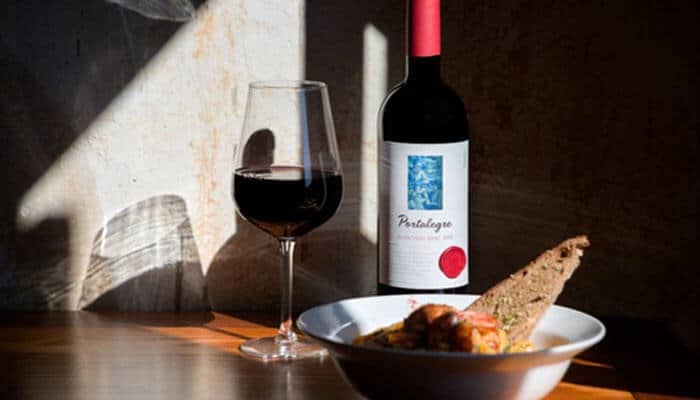
The pattern repeats across the country. You earn your appetite on the trail, then refuel on food that tastes of the exact place you just walked through. Few rewards beat a long lunch after a morning on your feet. Portugal also makes this affordable, since a memorable regional meal with wine often costs a fraction of what you would pay in northern Europe.
How Do Guided and Self-Guided Hikes Differ?
Both styles work beautifully in Portugal. The choice comes down to how much structure and company you want.
A guided hike gives you a leader, a group, and someone who knows the best bakery in each village. A self-guided trip hands you the same routes, maps, and luggage transfers, but lets you set the pace and linger over lunch as long as you like. You trade your company for total freedom.
Cost and planning differ too. Self-guided trips usually cost less and suit independent travelers, freeing up budget for food along the way. A good route map and planning guide make the independent option far less daunting. Either way, an operator handles the heavy lifting of booking and bag transfers.
What Should You Eat and Pack On the Trail?
A walking food trip needs a little planning on both fronts. What you carry shapes your comfort, and what you eat shapes your energy.
Pack light but smart for a day on the trail:
- Plenty of water, refilled at every village fountain.
- Trail snacks like nuts, dried fruit, and local cheese.
- Sun protection and a light layer for changing weather.
- Broken-in walking shoes to avoid blisters.
- A small map or GPS file as a backup.
Eating well fuels the walking. A solid breakfast and steady snacks keep energy up, and the science behind the benefits of regular activity is clear on how much steady movement helps body and mind. Save the big meal and the wine for when the boots come off. You will have earned every bite.
Planning a Hiking and Food Adventure
A great walking food trip in Portugal is mostly about matching the route to your appetite for both miles and meals. Pick a region whose food excites you. Choose guided or self-guided based on the support you want. Pack sensibly, eat locally, and let an operator handle the logistics.
Do that, and the country delivers a rare double reward. You finish each day pleasantly tired, genuinely hungry, and seated in front of food you will remember long after the walking shoes go back in the cupboard.
Frequently Asked Questions
Do I Need to Be Very Fit to Hike In Portugal?
Not for most routes. Tours are graded by difficulty, and easier coastal or valley walks suit anyone comfortable on their feet for a few hours. Fitter walkers can tackle the steeper Douro or mountain trails. Choosing a route that matches your fitness, and being honest about it when booking, is the key to enjoying the trip.
Is the Food Included On a Walking Tour?
It varies by operator and package. Many guided tours include breakfast and some dinners, while lunches are often left open so you can eat at village cafes along the route. Self-guided trips usually include accommodation and breakfast. Always check what is covered, since trying local restaurants is half the fun of a food-focused hike.
When Is the Best Time to Hike In Portugal?
Spring and autumn are ideal, offering mild temperatures and quieter trails. Roughly March to June and September to October give the best balance of weather and harvest-season food. Summer can be hot inland, while winter is mild on the coast but wetter. The shoulder seasons also coincide with some of the best regional produce.
Can Beginners Do a Self-Guided Hiking Trip?
Yes, with the right route. Self-guided does not mean unsupported, since you get detailed maps, route notes, and luggage transfers. Beginners should pick gentle, well-marked trails and shorter daily distances. The freedom to set your own pace actually suits new hikers well, as long as you plan sensibly and carry water and a backup map.