

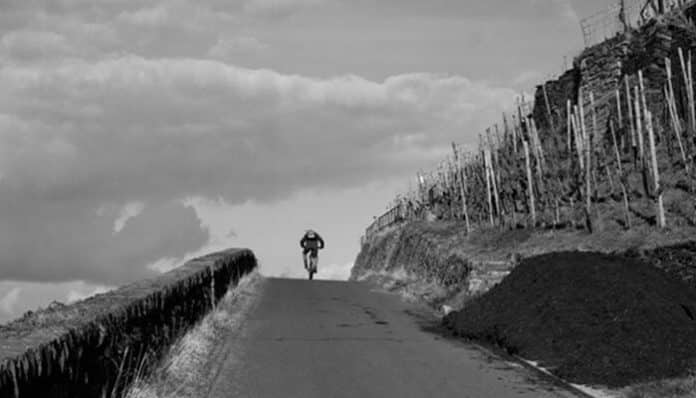

There is a sweet spot between seeing a country and truly tasting it, and cycling through Portugal hits it perfectly. You cover more ground than walking, but you are still slow enough to stop for a pastel de nata, chat with a winemaker, or detour down a cobbled lane. In Portugal, that combination is close to magic.
For food-loving travelers, cycling is the ideal pace. A specialist like Top Bike Tours Portugal can map the routes and book the tastings while you ride and eat your way across the country. This guide covers why Portugal shines from a saddle.
Why Explore Portugal by Bike?
Because the bike is a perfect middle gear. It covers real distance while keeping you connected to the scenery and its flavors.
A cycling tour is a trip built around riding a region, usually stage by stage between towns. Portugal suits it well, with quiet backroads, a mild climate, and short distances between very different regions. A bit of smart trip planning turns those roads into a seamless route.
The reward is immersion. You arrive hungry in a town having truly earned the meal, and that simple fact somehow makes every bite taste even better than you had imagined.
Which Regions Are Best for a Food Ride?
Each region pairs its terrain with a plate. The choice depends on what you want on your fork.
The top cycling-and-food regions include these 5:
- Douro Valley. Terraced vineyards and port wine.
- Rolling plains, bread, and rich stews.
- Coastal roads and fresh seafood.
- Green north and crisp Vinho Verde.
- Central Portugal. Mountain cheese and villages.
Each offers a distinct ride and its own menu. The Douro rewards climbers with wine, while the Algarve trades the hills for the open sea.
Is It Only for Hardcore Cyclists?
Not at all, thanks to modern options. E-bikes have opened these routes to almost everyone.
Many tours offer electric-assist bikes that flatten the hills, so cycling as a hobby is enough to enjoy them. Routes are graded by difficulty, and self-guided riders can set an easy 30 to 50 kilometers a day. There is a Portugal ride for casual pedalers and seasoned roadies alike.
What Makes the Food So Special Here?
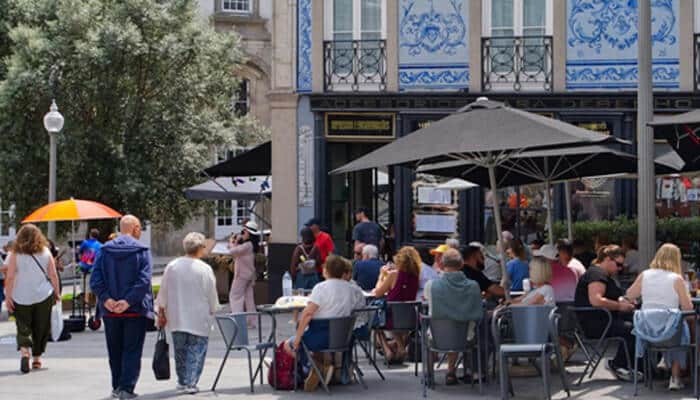
Simplicity done exceptionally well. Portuguese cooking celebrates fresh, local ingredients without any fuss or pretension.
Cycling connects you directly to that food culture, region by region. You taste wine where the grapes grow and seafood just hours from the boat. Riding earns the appetite too, and the CDC lays out the broad health benefits of activity that come with days in the saddle.
| Region | The ride | The plate |
| Douro | Steep, scenic climbs | Port and grilled meats |
| Alentejo | Gentle rolling plains | Bread stews, olives |
| Algarve | Coastal, flatter roads | Fresh grilled fish |
| Minho | Green, lush north | Vinho Verde, caldo verde |
| Central | Mountain villages | Serra cheese, roast |
The pattern is pairing. Every region comes with a flavor you earn slowly on the way.
How Do You Prepare for a Cycling Trip?
With light training and a little planning. A cycling holiday is far more fun when your legs are ready.
Ride regularly in the weeks before, and get comfortable on a few longer outings. Check practical travel guidance before you go, such as the CDC travel health for Portugal page. Choose guided for local expertise or self-guided for freedom, and match the daily distance to your real fitness.
What to Remember
- A bike hits the sweet spot between seeing and tasting.
- Portugal’s short distances link very different regions.
- Douro, Alentejo, and the Algarve each offer a ride and a plate.
- E-bikes make these routes friendly for casual cyclists.
- Cycling connects you directly to local food and wine.
- A little training and planning make the trip easier.
Ride, Taste, Repeat
Portugal is a country made for slow, delicious discovery, and a bicycle is the perfect vehicle for it. You will climb through vineyards, coast along the Atlantic, and roll into villages just in time for lunch, earning every bite along the way. Whether you ride for the challenge or the pastries, a cycling tour turns a trip into a feast for the senses. Pick your region, prepare a little, and let the road, and the table, unfold.
Frequently Asked Questions
1. Do I Need to Be a Strong Cyclist to Tour Portugal?
No. While some routes suit experienced riders, many tours are designed for casual cyclists, and e-bikes make even hilly regions accessible. Routes are typically graded by difficulty, and self-guided options let you set a comfortable daily distance, often around 30 to 50 kilometers. With a little preparation and the right bike, riders of most fitness levels can enjoy a Portuguese cycling tour at their own pace.
2. What Is the Best Region for a Food-Focused Bike Tour?
It depends on your tastes. The Douro Valley is unbeatable for wine lovers, pairing scenic vineyard climbs with port tastings. The Alentejo offers gentle plains with hearty bread-based cuisine, while the Algarve combines flatter coastal riding with superb fresh seafood. The green Minho region is famous for Vinho Verde. Each area links a terrain to a plate, so pick the flavors you love most.
3. Should I Book a Guided or Self-Guided Cycling Tour?
Both work well; it comes down to preference. Guided tours include a local expert who handles navigation, shares cultural insight, and adds company, which suits first-timers. Self-guided tours provide routes, maps, and support while letting you ride independently at your own rhythm. Most include booked accommodation and luggage transfer between stages, so you ride with a light load either way. Consider your comfort with navigation when deciding.
4. When Is the Best Time to Cycle In Portugal?
Spring and autumn are usually ideal, with mild temperatures and pleasant riding conditions across most regions. Summer can be hot, particularly inland in the Alentejo, though coastal routes stay more comfortable. Grape harvest in early autumn adds a special atmosphere in wine regions like the Douro. Winter is quieter and rideable in the milder south, but expect more rain.