

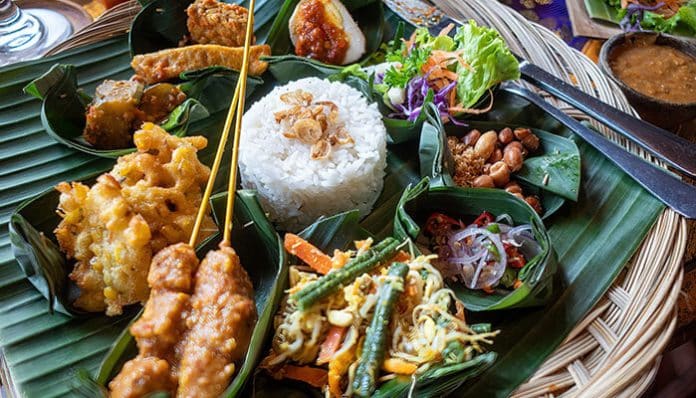

Most travel guides to Bali focus on beach clubs, rice terraces, and smoothie bowls. That version of the island is easy to find. The one that lingers a little longer in your memory usually begins after sunset when the night markets come alive, scooters line the streets, and the scent of grilled satay drifts through the air.
On my last trip, I skipped the polished restaurant lists and built my itinerary around evening food stops. It turned out to be one of the most rewarding ways to experience Bali: less curated, more spontaneous, and deeply rooted in local routines.
Before getting into the food itself, a quick note on logistics. Entry requirements for Indonesia have become more structured, and completing the Indonesia Arrival Card in advance helps avoid unnecessary delays at the airport. It’s a small step, but after a long-haul flight, anything that speeds up the arrival process is worth it.
Where the Evenings Begin: Bali’s Night Markets
Night markets, or pasar malam, are central to everyday life across Indonesia. In Bali, they offer a mix of regional dishes, quick snacks, and casual seating that encourages you to linger.
Gianyar Night Market
About a 30-minute drive from Ubud, this market is known for its variety and local feel. You won’t find many tourists here, which makes the experience more immersive.
Some highlights:
- Babi guling (suckling pig): Crispy skin, tender meat, and a mix of spices that vary from vendor to vendor
- Lawar: A traditional Balinese mix of vegetables, coconut, and minced meat
- Sweet martabak: Thick, pancake-like dessert filled with chocolate, peanuts, or condensed milk
The atmosphere shifts as the evening progresses—families gather, vendors restock, and the energy builds without feeling overwhelming.
Sanur Night Market
Closer to the coast, Sanur’s market is smaller but easier to navigate, especially for first-time visitors. It’s a good introduction to Balinese street food, with clear menus and approachable flavors.
Dishes here tend to lean slightly milder, making it a comfortable starting point if you’re easing into local cuisine.
The Warung Experience
Between market visits, I spent time eating at warungs, which are small, family-run eateries that serve home-style Indonesian food. These spots don’t rely on decoration or branding. The focus stays on the food.
A typical meal might include:
- Steamed rice
- Grilled fish or chicken
- Sambal (chili paste, often customizable in spice level)
- A side of vegetables or tempeh
Meals are usually assembled quickly, and the pricing reflects local standards rather than tourist expectations. It’s common to point at what you want, build your plate, and sit down within minutes.
Resources like Indonesia Travel provide a broader overview of regional dishes, but experiencing them in a warung adds context that no guide can fully capture.
What Makes Balinese Street Food Worth Seeking Out
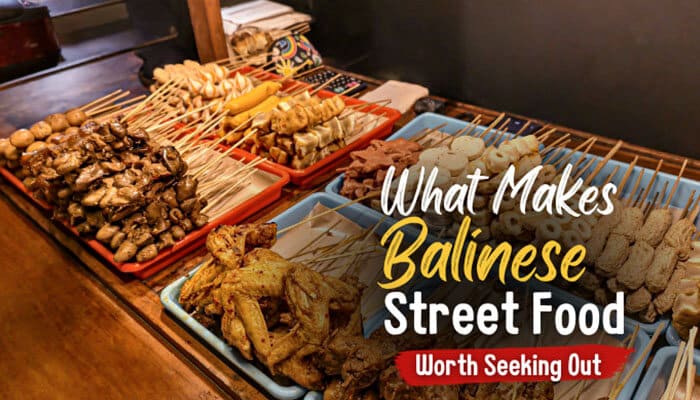
Bali’s food culture draws from multiple Indonesian regions while maintaining its own identity. Spices play a central role, but so does balance—sweet, salty, and spicy elements often appear in the same dish.
Cooking methods are equally important:
- Charcoal grilling adds depth to satay and seafood
- Slow roasting is used for ceremonial dishes like babi guling
- Fresh grinding of spices creates distinct flavor profiles across vendors
According to BBC Travel, Indonesian cuisine remains underrepresented globally despite its diversity, making exploring it locally even more compelling.
Building a Food-Focused Evening Route
One of the most enjoyable parts of this kind of trip is creating your own route. Instead of committing to a single restaurant, the evening becomes a series of short stops.
A simple approach:
- Start with a market for variety
- Move to a warung for a more substantial dish
- End with dessert from a street vendor
This rhythm keeps things flexible and lets you try more dishes without overcommitting to any one place.
Transportation apps like Grab or Gojek make it easy to move between locations, especially if you’re staying in areas like Ubud, Seminyak, or Sanur.
Food Safety and Practical Tips
Street food in Bali is generally safe, but a few habits can make the experience smoother:
- Choose stalls with high turnover (fresh food, constant demand)
- Watch how dishes are prepared
- Stick to bottled water and avoid ice in less busy areas
Travel platforms like Lonely Planet often emphasize these basics, and they hold up well in practice.
A Different Pace of Travel
Planning evenings around food changes the rhythm of the entire trip. Days become lighter—maybe a temple visit or a walk through rice fields—while nights carry more structure and intention.
It also shifts your perspective. Instead of observing from the outside, you’re participating in routines that locals follow daily. That sense of connection builds gradually, meal by meal.
Where Food and Travel Intersect Naturally
Some destinations require effort to uncover their food culture. In Bali, it’s woven into everyday life. Markets, warungs, and roadside grills are part of the landscape, not separate attractions.
Spending time in these spaces offers a clearer picture of the island—one shaped by tradition, community, and a steady flow of people gathering around food.
For travelers who enjoy building trips around what they eat, Bali offers plenty to explore. You just have to be willing to step away from the familiar and follow the scent of something cooking nearby.