

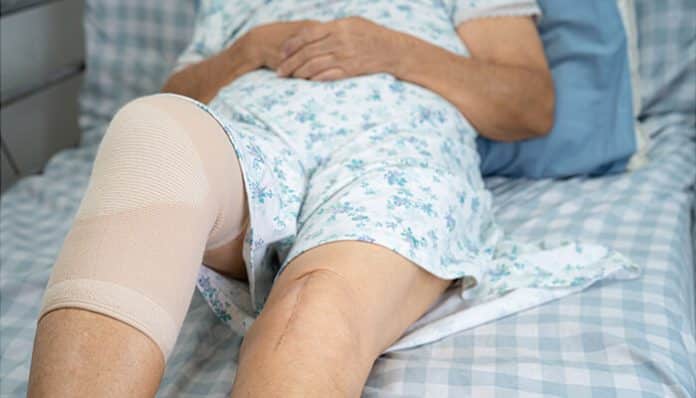

When a wound refuses to heal properly, it often harbors dead tissue, debris, or bacterial buildup that prevents new healthy tissue from forming. Medical professionals have several tools at their disposal to address this challenge, and mechanical debridement stands out as one of the most effective approaches for clearing away obstacles to healing. This technique has helped countless patients overcome chronic wounds that seemed stubbornly resistant to standard treatments.
What Makes Wounds Refuse to Heal
Not all wounds follow the normal healing timeline. Some become chronic, lingering for weeks or months without showing significant improvement. These stubborn wounds typically contain necrotic tissue, slough, or biofilm that creates a barrier to recovery.
The body’s natural healing process can’t work effectively when dead tissue remains in the wound bed. This devitalized tissue not only blocks healthy cell growth but also provides a breeding ground for bacteria. Without intervention, these wounds can become increasingly problematic, leading to infections and other complications that affect overall health.
How Mechanical Debridement Works
The mechanical debridement of wound involves physically removing unwanted material from the wound surface using various techniques. Unlike chemical or enzymatic methods that dissolve dead tissue, this approach relies on direct physical action to clear the wound bed.
Healthcare providers can choose from several mechanical methods depending on the wound’s characteristics. Wet-to-dry dressings, wound irrigation, hydrotherapy, and specialized scrubbing techniques all fall under this category. Each method offers unique advantages for different wound types and patient situations.
The key advantage of this approach is its ability to provide immediate results. While other debridement methods may take days to show effects, mechanical techniques can clear significant amounts of debris in a single treatment session. This rapid action makes it particularly valuable for wounds with heavy contamination or extensive necrotic tissue.
Common Techniques Used by Healthcare Providers

Wet-to-dry dressings represent one of the oldest mechanical debridement methods. Providers apply moistened gauze to the wound, allow it to dry, then remove it along with adherent debris. While effective, this technique has fallen somewhat out of favor due to concerns about pain and potential damage to healthy tissue.
Wound irrigation uses pressurized fluid to flush away loose debris and bacteria. This gentler approach works well for wounds with minimal necrotic tissue or as a maintenance technique between more aggressive treatments. The pressure must be carefully controlled to clean effectively without damaging the wound bed.
Hydrotherapy involves immersing the wound in water or directing water flow across its surface. This technique can be particularly soothing for patients while effectively loosening and removing debris. Modern whirlpool systems and pulsed lavage devices have made hydrotherapy more practical and controlled than ever before.
Benefits Beyond Just Cleaning
Mechanical debridement does more than simply remove unwanted material. The physical stimulation of the wound bed can actually promote healing by encouraging blood flow and triggering the body’s natural repair mechanisms. This stimulation helps recruit healing cells to the area.
Removing the bacterial burden through mechanical means also reduces the risk of infection without relying solely on antibiotics. In an era of increasing antibiotic resistance, this non-pharmaceutical approach to infection control becomes increasingly valuable. Clean wounds simply heal faster and with fewer complications.
Patients often experience reduced odor and drainage after mechanical debridement, which significantly improves quality of life. Chronic wounds can be embarrassing and socially isolating, so these improvements matter beyond just the physical healing process.
What Patients Can Expect During Treatment
Most mechanical debridement procedures can be performed in outpatient settings, though some techniques require specialized equipment found in wound care clinics. The experience varies depending on the specific method used and the wound’s condition.
Some discomfort during treatment is normal, though providers can take steps to minimize pain. Local anesthetics, proper pain medication, and gentle technique all contribute to a more comfortable experience. Many patients report that the relief from having a cleaner wound outweighs temporary treatment discomfort.
Treatment frequency depends on wound severity and healing progress. Some wounds need daily attention initially, while others require only weekly sessions. Your healthcare provider will develop a personalized schedule based on your specific situation.
Moving Forward with Wound Healing
Mechanical debridement represents a powerful tool in the fight against chronic wounds. While it may sound intimidating, this time-tested approach has helped millions of patients achieve healing when other methods failed. Combined with proper wound care, nutrition, and management of underlying health conditions, mechanical debridement can turn a stubborn wound into a healing success story. If you’re struggling with a wound that won’t heal, discussing this option with a qualified wound care specialist could be your path toward recovery.