


Choosing where to take young learners requires careful consideration of educational value, safety, and age-appropriate engagement. The following destinations offer rich learning experiences that cater to curious minds while providing the structure and accessibility that teachers and parents need when planning vacations.
Washington, D.C.: A Living Classroom of American History
The nation’s capital stands as perhaps the most comprehensive educational destination in the United States. Young learners can walk through the halls of the Smithsonian museums, stand before historic monuments, and witness democracy in action at the Capitol Building.
The National Museum of Natural History captivates students with dinosaur fossils and the Hope Diamond, while the Air and Space Museum inspires future scientists and engineers. Most Smithsonian museums offer free admission, making this destination budget-friendly for schools and families alike.
The city’s layout itself teaches urban planning and design, with Pierre L’Enfant’s geometric street patterns providing a real-world geometry lesson. Students can trace the timeline of American history from the Revolutionary War through modern times, all within a few square miles.
Colonial Williamsburg: Stepping Back in Time
This living history museum in Virginia transports young visitors to the 18th century, where costumed interpreters demonstrate colonial trades, crafts, and daily life. Children don’t just observe history here; they participate in it through interactive programs that let them try colonial activities.
Students can watch blacksmiths forge iron, learn about colonial printing presses, and understand what life was like before modern technology. The immersive environment helps children grasp how people lived, worked, and governed themselves during America’s founding period.
The site also doesn’t shy away from difficult topics, offering age-appropriate discussions about slavery and the complex realities of colonial society. This honest approach helps young learners develop critical thinking skills about historical narratives.
Kennedy Space Center: Inspiring Future Explorers
Located on Florida’s Space Coast, the Kennedy Space Center offers an unparalleled look at space exploration past, present, and future. Young learners can meet astronauts, touch moon rocks, and stand beneath massive rockets that have traveled beyond Earth’s atmosphere.
The center’s educational programs align with STEM curriculum standards, making complex scientific concepts accessible to elementary and middle school students. Interactive exhibits explain rocket propulsion, orbital mechanics, and life in zero gravity through hands-on demonstrations.
Witnessing a rocket launch, when timing permits, creates a once-in-a-lifetime experience that many students cite as their inspiration for pursuing careers in science and engineering.
San Diego’s Balboa Park: A Cultural and Scientific Hub
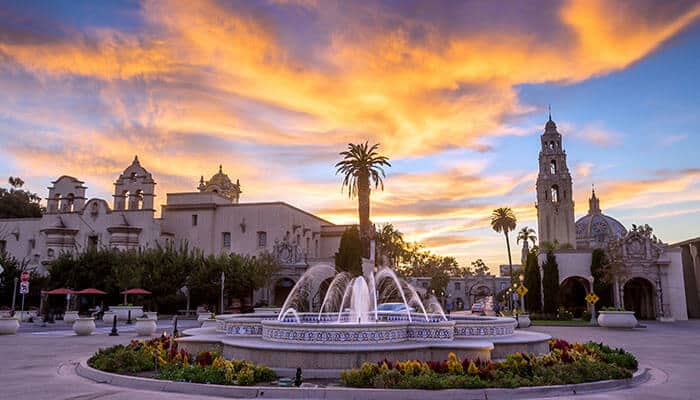
This expansive urban park houses seventeen museums, gardens, and cultural institutions within walking distance of each other. The San Diego Natural History Museum, Fleet Science Center, and San Diego Zoo provide diverse learning opportunities all in one location.
Young learners can explore everything from paleontology to marine biology, often within the same day. The park’s Spanish Colonial Revival architecture also offers lessons in art history and cultural influence in California.
The concentration of educational venues makes Balboa Park ideal for multi-day visits where students can dive deep into subjects that capture their interest.
Boston’s Freedom Trail: Walking Through Revolution
This 2.5-mile path through downtown Boston connects sixteen historically significant sites, creating a narrative walking Educational tour of the American Revolution. Young students can follow the red-brick line from Boston Common to the USS Constitution, experiencing history in chronological order.
The trail includes Paul Revere’s House, the Old North Church, and the site of the Boston Massacre. Each stop offers interpretive programs designed for young learners, with guides who bring revolutionary-era figures to life through storytelling.
The manageable walking distance makes this destination accessible for most age groups, while the urban setting teaches navigation and city exploration skills.
Conclusion: Investing in Experiential Learning
The destinations outlined above represent just a sampling of the incredible learning opportunities available to young students across the country. Each location offers unique advantages, from hands-on historical interpretation to cutting-edge scientific discovery.
When planning educational travel experiences, consider your students’ ages, interests, and learning objectives. The best trips combine structured learning with opportunities for discovery and wonder. By investing time in these enriching destinations, educators and parents plant seeds of curiosity that can grow into lifelong passions for learning and exploration.