

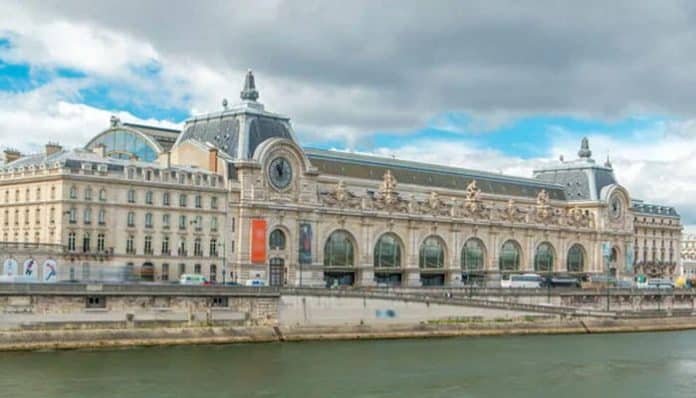

Walking into the Musée d’Orsay feels like stepping into a grand cathedral of art, where a former railway station now houses one of the world’s most impressive collections of Impressionist and Post-Impressionist masterpieces. As we look ahead to 2026, this Parisian treasure continues to captivate millions of visitors each year with its stunning architecture and unparalleled artwork. Whether you’re planning your first visit or returning to rediscover old favorites, knowing which highlights to prioritize can transform your experience from overwhelming to absolutely magical.
Monet’s Water Lilies and Impressionist Gallery
The Impressionist galleries on the fifth floor represent the crown jewel of the museum’s collection, and no visit would be complete without spending time among Monet’s luminous canvases. His series of water lily paintings demonstrates the artist’s obsession with capturing light and reflection at different times of day. The soft, dreamlike quality of these works creates an almost meditative atmosphere that draws visitors back again and again.
Beyond Monet, this section houses remarkable works by Renoir, Degas, and Pissarro that fundamentally changed how we understand painting. The way natural light filters through the museum’s glass ceiling onto these masterpieces creates an viewing experience that feels both intimate and transcendent.
Van Gogh’s Starry Night Over the Rhône and Self-Portrait
Vincent van Gogh’s presence at the Musée d’Orsay is nothing short of breathtaking, with several of his most emotionally powerful works on permanent display. His self-portrait from 1889 reveals the artist’s penetrating gaze and psychological intensity during one of the most productive yet troubled periods of his life. The swirling brushstrokes and vibrant color palette showcase his distinctive style that would influence generations of artists.
Starry Night Over the Rhône captures the night sky with a vibrancy that seems almost impossible, transforming darkness into a symphony of blues and golds. Standing before this painting, you can almost feel the artist’s wonder at the natural world and his desperate need to capture its beauty.
Renoir’s Dance at Le Moulin de la Galette
This large-scale masterpiece by Pierre-Auguste Renoir transports viewers to a sunny afternoon in 1876 Montmartre, where Parisians gathered to dance, drink, and socialize. The painting’s dappled sunlight filtering through trees creates a sense of movement and joy that feels almost photographic in its immediacy. Renoir’s ability to capture the fleeting pleasures of everyday life makes this one of the most beloved works in the entire collection.
The composition’s energy and warmth serve as a perfect introduction to Impressionist ideals, showing how these artists sought to capture modern life rather than historical or mythological subjects. Many Musée d’Orsay tours highlight this painting as a cornerstone of the movement’s revolutionary approach to art.
Degas’ Ballet Dancers Collection
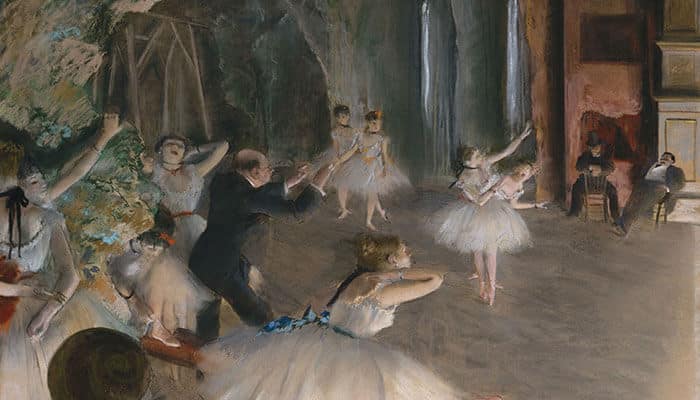
Edgar Degas’ obsession with ballet dancers resulted in some of the most technically accomplished and psychologically complex works in the museum. His paintings and sculptures capture dancers in moments of preparation, practice, and performance with an insider’s eye for detail. These aren’t romanticized images but rather honest depictions of the hard work and discipline required in the ballet world.
The Little Fourteen-Year-Old Dancer, a bronze sculpture dressed in a real tutu, remains one of the museum’s most photographed works. Degas’ ability to convey both the grace and the exhaustion of these young performers gives his ballet series a timeless relevance.
Courbet’s The Origin of the World
Gustave Courbet’s provocative 1866 painting continues to challenge and fascinate viewers more than 150 years after its creation. This unflinching close-up representation of the female form was radical for its time and remains powerful today. The painting’s directness and technical mastery demonstrate Courbet’s commitment to realism and his willingness to confront social taboos.
Displayed in a dedicated space that allows for contemplative viewing, this work invites discussions about art, censorship, and the male gaze that remain remarkably contemporary.
The Museum’s Spectacular Architecture
The building itself deserves recognition as one of the highlights of any visit. The soaring main hall with its ornate clock and vaulted glass ceiling reminds visitors of the structure’s origins as the Gare d’Orsay railway station. This architectural grandeur provides a stunning backdrop for the sculpture collection displayed throughout the central nave.
Taking time to appreciate the building’s Beaux-Arts design elements enhances the overall experience and provides perfect photo opportunities between gallery visits.
Whistler’s Arrangement in Grey and Black No. 1
James McNeill Whistler’s portrait of his mother, commonly known as Whistler’s Mother, represents American art at its finest within this predominantly French collection. The painting’s austere composition and limited color palette create a sense of dignity and quiet contemplation. This iconic image has been reproduced countless times in popular culture, but seeing the original reveals subtle tonal variations that photographs cannot capture.
The Musée d’Orsay in 2026 promises the same transformative experience that has made it one of Paris’s most essential cultural destinations. By focusing on these seven highlights, you’ll gain a comprehensive understanding of the revolutionary artistic movements that shaped modern art while creating memories that will last a lifetime.